There are lots of different tools investors use to build […]

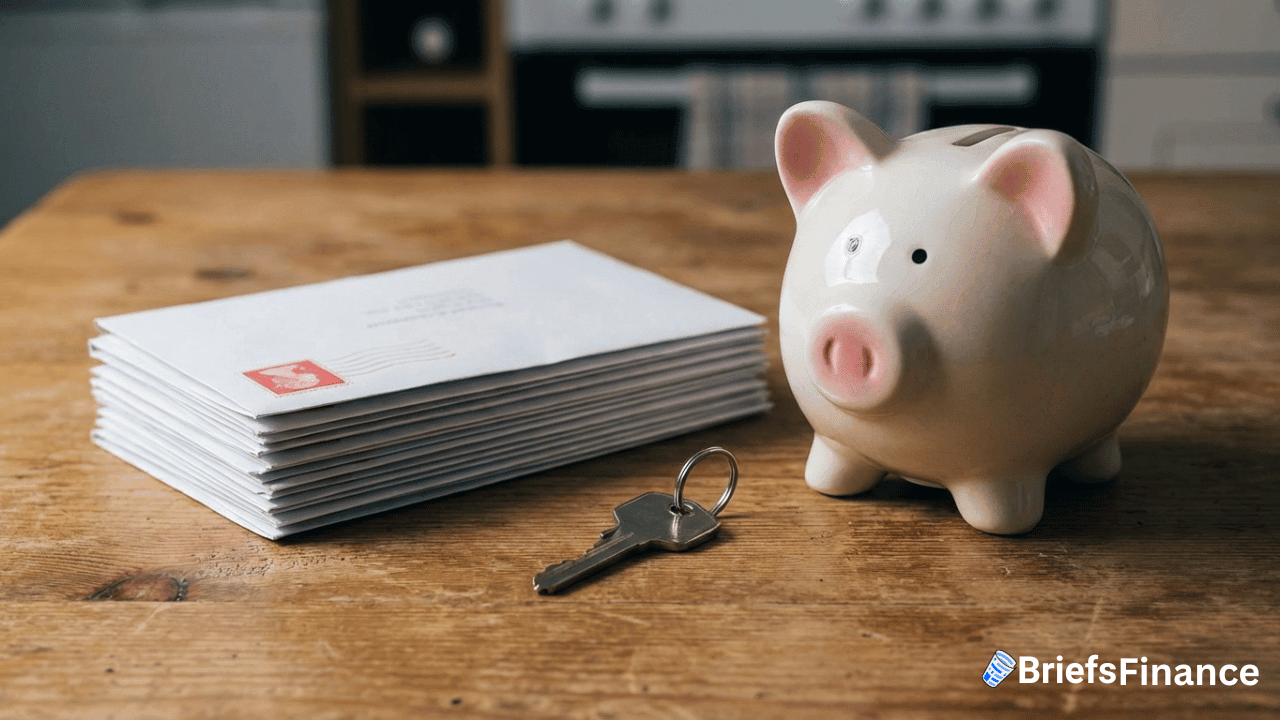
Recent data shows that late-stage mortgage delinquencies, which are payments at least 90 days past due, rose by 18.6% in December 2025 compared to the same month in 2024.
This increase brought the delinquency rate to about 0.20%, up from just under 0.17%, as reported by VantageScore.
While the current delinquency rate is significantly lower than the levels seen during the financial crisis of 2008-2010, the rise is still a concerning sign, according to Rikard Bandebo, chief strategy officer and chief economist for VantageScore.
He noted that the increase in delinquencies is occurring at a faster pace than for other types of consumer credit, such as auto loans and credit cards.
As of the third quarter of 2025, total mortgage delinquencies at all stages were 1.78% of outstanding home loans, an increase from 1.74% a year earlier, according to the Federal Reserve Bank of St. Louis. This suggests that while the rates are rising, they are still at manageable levels compared to past crises.
In terms of the financial burden, Americans owed a total of $13.07 trillion on 86.67 million mortgages.
This figure indicates that approximately 1.5 million mortgages could be classified as potentially delinquent based on the current delinquency rates.
Home prices remain a critical issue for both new buyers and existing homeowners.
The median sale price of a single-family home was $409,500 in December 2025, which is a decrease from the peak of $435,300 in June 2025. However, this price is still significantly higher than pre-pandemic levels.
From January 2020 to November 2025, home prices surged by 54.5%, according to the S&P CoreLogic Case-Shiller U.S. National Home Price Index. This dramatic increase has made it difficult for potential buyers to enter the market, especially with rising mortgage rates.
To bring housing affordability back to pre-pandemic levels, several significant changes would need to occur. Mortgage rates would have to drop to around 2.65% from the current 6.16%.
Alternatively, median household income would need to rise by 56% to approximately $132,171, or home prices would need to decline by 35% to a median of $273,000.
Homeownership costs are not limited to mortgage payments. Homeowners insurance increased by about 6.5% in 2025 and has risen by 31.3% from January 2020 to December 2025, according to the Producer Price Index.
Additionally, property taxes typically rise as home values increase, adding to the financial strain on homeowners.
As mortgage delinquencies rise, financial advisors are urging potential homebuyers to be cautious. Thomas Blackburn, a certified financial planner, emphasizes that just because a lender approves a certain amount doesn’t mean it is wise to spend that much.
He suggests that homebuyers should keep their mortgage payments, including property taxes and insurance, to no more than 28% of their income, with some advisors recommending even lower limits.
Furthermore, homeowners should set aside 1% to 2% of their home’s value each year for maintenance and repairs.
Having emergency savings equivalent to three to six months of living expenses is also crucial for flexibility and peace of mind, especially during the first year of homeownership when unexpected costs can arise.
There are lots of different tools investors use to build […]
When most people think about Wall Street, they imagine billions […]
The space race originally started to send astronauts to the […]
Every investor knows: The goal of investing is to watch […]
Every quarter and year, companies report their earnings. These reports […]
What Are Precious Metals (And Why Should You Care)? When […]
Japan's Wall Street Is Changing Fast The Kabutocho district has […]
Why USAR Stock Is Getting Attention In 2026 In case […]
What Is the Price-to-Sales Ratio? Here's the deal: Not every […]
Annuities are one of the most misunderstood financial products out […]