The ceasefire sent oil prices crashing. But the supply chain is a completely different story.
Even with a deal, getting Middle East oil flowing will take months - not days. Wood Mackenzie said the five weeks of war shut down 11 million barrels a day of work across the Gulf.
The Problem Starts With the Ships
Before any of that oil can move, tanker operators need to trust that the Strait of Hormuz is actually safe. Right now, they don't.
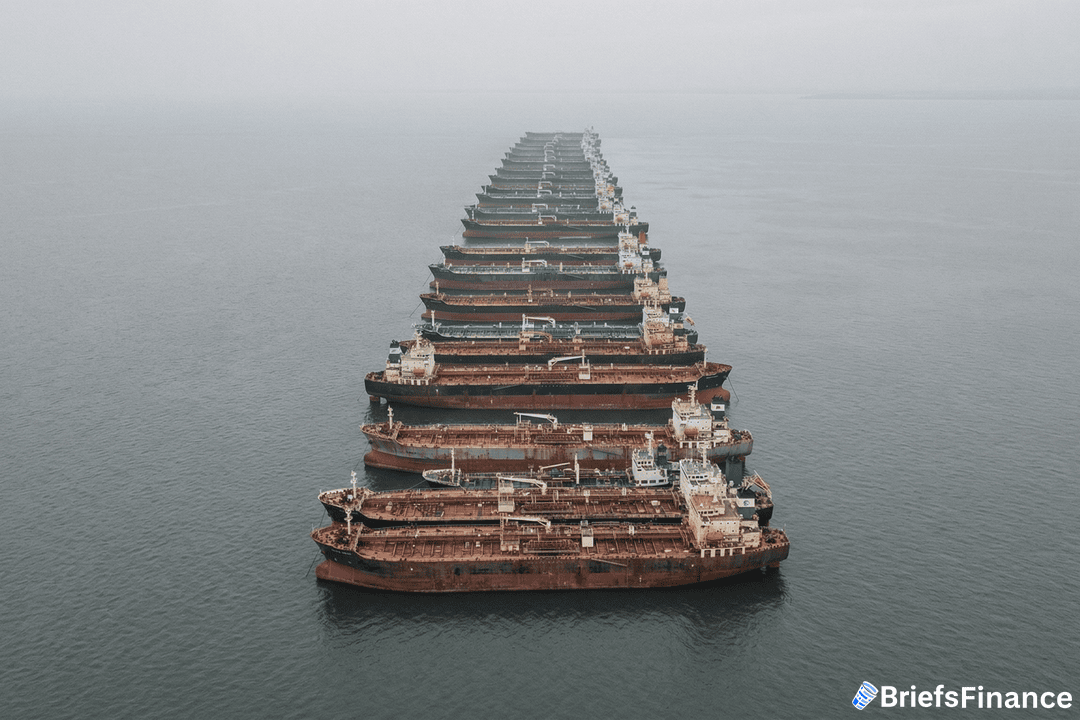
About 1,000 ships are stuck in or near the strait. Ship makers are waiting for clear signs the route is safe. Wood Mackenzie's refining chief said owners won't go through "until they feel sure of safe passage."
Satellite data showed little ship movement through the strait on Wednesday. It was the same as before the ceasefire.
Pipelines and Refineries Need Work Too
Even if ships start moving, makers can't flip a switch. Restarting work at the well could take six to nine months, Wood Mackenzie said. Broken refineries add more time.
For gas, repairs to QatarEnergy's Ras Laffan LNG site will take about four months. That site won't start again without trust the ceasefire is real and will hold.
What to Watch
The ceasefire let markets relax. But the supply chain hasn't caught up to the price drop. Oil fell 17%, but the barrels still aren't moving.
Shipping, refining, and work all need months to bounce back. The headline moved fast. The oil won't.