Oil traders woke up to a spike of more than 3% on Thursday, only to watch the move fade by afternoon as prices settled back near where they started.
The reason was that President Donald Trump called off planned airstrikes on Iran to give diplomacy a few more days, which calmed the panic that had set in overnight.
A Day That Almost Went The Other Way
The morning move started with a Reuters report that Iran's Supreme Leader Ayatollah Mojtaba Khamenei ordered the country's enriched uranium to stay in Iran.
That is the exact thing Trump has said the U.S. wants dismantled, which made the headline a direct shot at the talks and sent prices climbing fast.
But Trump signaled he was willing to wait a few more days for "100% good answers" before pulling the trigger on military action, which took the heat back out of the market.
By 1:30 p.m. ET, U.S. crude was up just 16 cents to $98.42 a barrel, while Brent was actually down 31 cents to $104.71.
"If I can save war by waiting a couple of days, if I can save people being killed by waiting a couple of days, I think it's a great thing to do," Trump told reporters at Joint Base Andrews.
That single line softened a story that was looking very different at sunrise.
For a daily read on the moves shaping markets like this, Market Briefs hits your inbox every weekday morning - plus a free investing masterclass when you join.
The Bigger Problem Is Still There
Even if a deal happens, the Strait of Hormuz is still closed, which is the structural problem behind every oil headline this week.
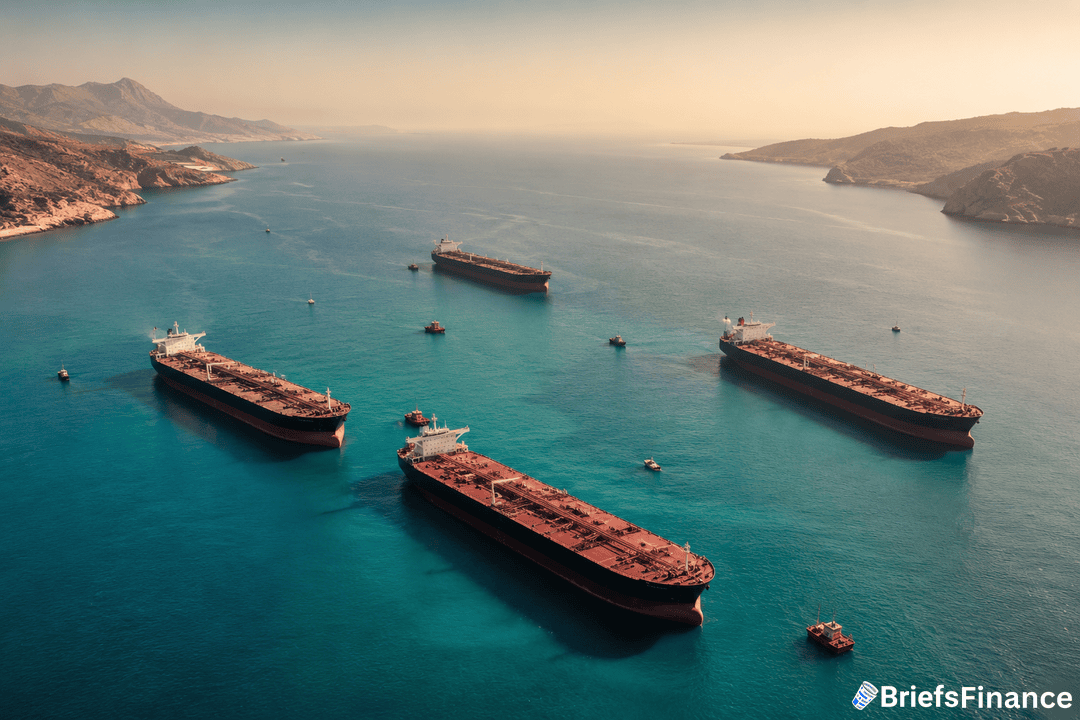
About a fifth of the world's oil normally moves through that narrow waterway, and Iran's blockade has kept ship traffic severely disrupted - which is a supply shock the market has been bracing for.
The International Energy Agency warned Thursday that the market is heading for a "red zone" this summer if Hormuz does not reopen, since summer is when drivers hit the road and global stockpiles get drawn down.
IEA chief Fatih Birol put it plainly when he said stockpiles will deplete as demand picks up during summer travel.
That is the kind of imbalance that pushes investors toward defensive plays when shipping lanes shut down.
What To Watch
Three signals to track from here, starting with whether Iran softens its position on uranium in the next round of talks.
The second is whether Hormuz reopens for civilian shipping or stays a chokehold on global supply, and the third is whether U.S. crude breaks through $100 again - a number it has flirted with all week.
Oil cooled today on a hope, while the fundamentals under the price have not changed.
Get the daily breakdown delivered every morning by signing up for Market Briefs - you also get a free 45-minute investing course thrown in.