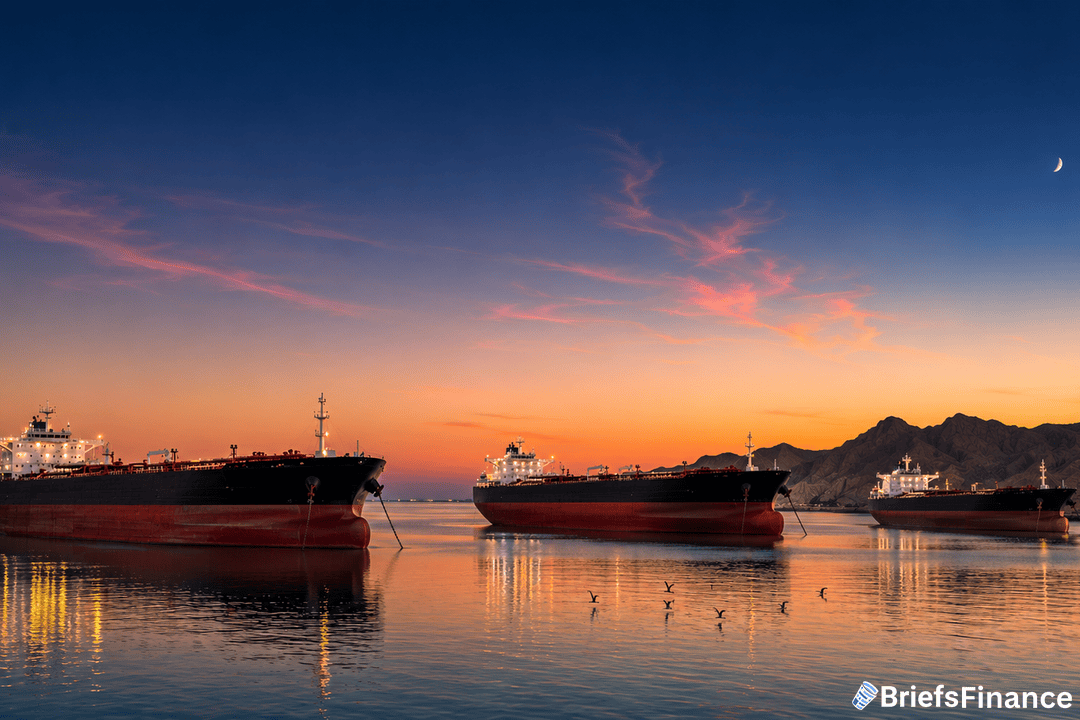
Oil traders just learned how fast the war premium can leave the market.
WTI crude fell about 7% on Tuesday to settle near $95 a barrel. Brent dropped close to 8% to about $101.
Both gave back almost everything they had gained over the past two weeks. All in one trading session.
The trigger was one report. Two U.S. officials said the White House is close to a 14-point memo with Iran.
That memo would end the war and open the door to nuclear talks.
Why Prices Moved So Hard
Oil had been priced for the Iran conflict to keep dragging on. Brent touched $126 a barrel just last week.
Fears were high about ships getting blocked in the Strait of Hormuz. The strait is the chokepoint that handles roughly 20% of the world's daily oil flow.
When traders heard a deal was close, they sold first and asked questions later.
President Trump confirmed the shift by pausing "Project Freedom." That's the U.S. effort to guide commercial ships out of the strait.
That move was the part that pushed prices the most. Project Freedom was the visible sign that the U.S. was preparing for a longer fight.
Pausing it sent a different message.
What's Still On The Table
The deal isn't signed yet.
Two U.S. officials told Axios the White House thinks it's close to a one-page deal. But neither side has given a public time frame.
Iran sent an updated peace plan through Pakistan earlier this month. U.S. talks teams have been picking it apart since.
OPEC+ added a new wrinkle on Saturday. The group raised oil output by 188,000 barrels per day starting in June.
It was the cartel's first meeting since the United Arab Emirates left the group last month.
More supply, slightly less war risk, and the market did the math fast.
Where The Damage Already Landed
Even if oil keeps falling, the price spike already hit. Jet fuel costs are still high enough that airlines in Asia and Europe are warning about summer flight cuts.
U.S. gas prices crossed $4.50 a gallon last month. That's a level that hasn't held since 2022.
Inventory data also shows the cost. Easy-to-reach stockpiles of jet fuel, naphtha, and LPG were drawn down hard during the conflict.
Even with shipping lanes opening, refiners need weeks to rebuild.
For investors, the takeaway is that oil-linked stocks just had their playbook flipped.
That covers airlines, transports, and energy producers. Names that traded on rising oil for two months are suddenly on the other side.
ExxonMobil (XOM) and Chevron (CVX) are under fresh pressure as a result.
What To Watch
The next 72 hours will tell whether the deal holds. If Iran signs the framework, oil could break below $90.
If talks stall, the same headlines that pushed prices to $126 last week are sitting right there.
Oil markets just got a reminder. Wars don't break prices on their own. Headlines do.
For energy investors, the swing is also a sign that the market is now pricing geopolitics by the hour, not by the week. That's a fast tempo for a sector that used to move on supply and demand cycles.
The other lesson is that even short wars can leave fuel costs sticky for months. Refiners need time to rebuild, and that time will be felt at the pump.