Most investors grow up hearing the same financial advice. Study […]

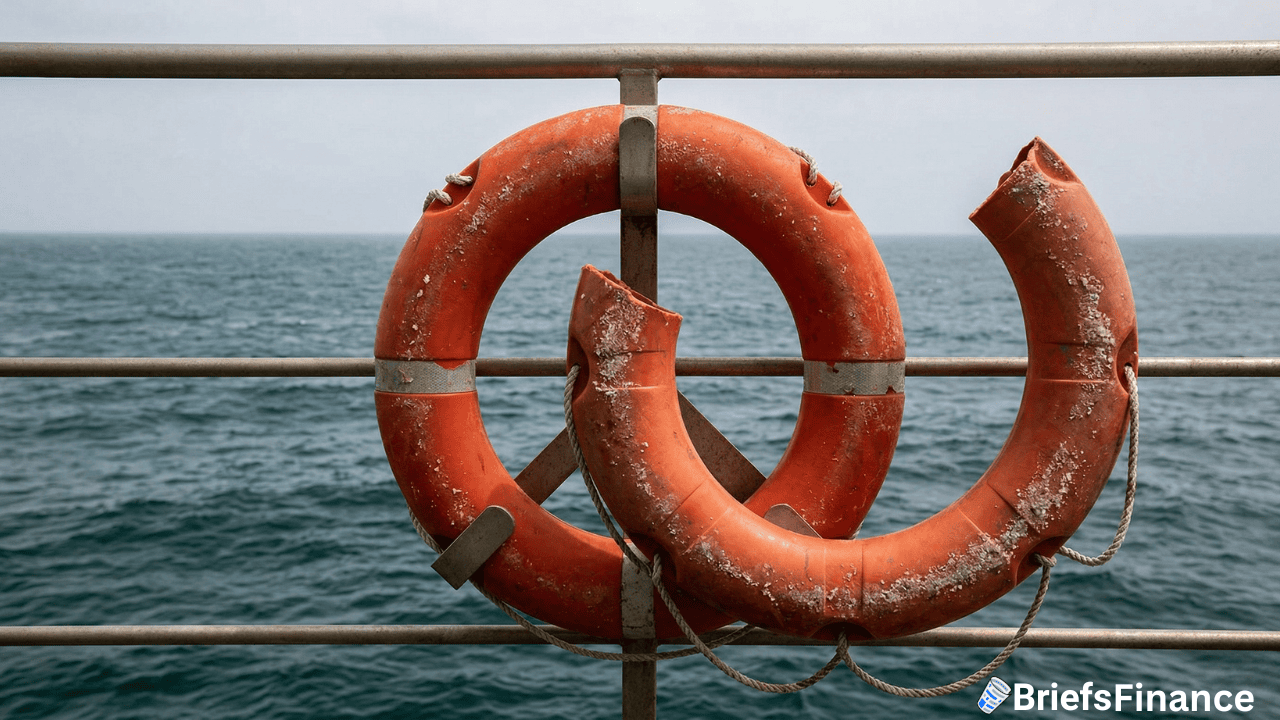
Iranian missiles found their targets in the Gulf. The strikes landed on refineries and energy infrastructure across Saudi Arabia, the UAE, and Kuwait - a calculated blow to global oil supply.
Oil prices jumped, shipping routes froze, and the world suddenly remembered that energy security isn't guaranteed.
The Strait of Hormuz is effectively blockaded. Iran's military action didn't just damage physical infrastructure - it shattered the assumption that crude would flow freely from the world's most critical chokepoint.
Brent crude rocketed toward $120 per barrel, the clearest signal that traders are pricing in real supply disruption, not just fear.
The speed of escalation makes this different from previous Middle East flare-ups. Weeks of simmering US-Iran tensions jumped from rhetoric to actual military strikes, catching most energy markets off guard.
Refinery damage will take months to repair. Gulf oil production will stay depressed, forcing global refineries to pull crude from other sources or simply produce less.
Energy traders are watching two things - whether refineries come back online and whether the US and Iran find an off-ramp. If this conflict hardens into a prolonged stalemate, oil near $120 becomes the new baseline and inflation starts creeping back.
Most investors grow up hearing the same financial advice. Study […]
The tax code in the United States is over 2,000 […]
Most banks pay you almost nothing to hold your money. […]
Most investors start their journey the same way. They Google […]
Warren Buffett earned $704 million in dividends in 2021. His […]
You wouldn't buy a house without looking at the inspection […]
You've decided you want to start investing. You open your […]
You check your portfolio one morning and see red everywhere. […]
Investing is not a one size fits all approach. Some […]
Everyone with an internet connection is using AI to better […]