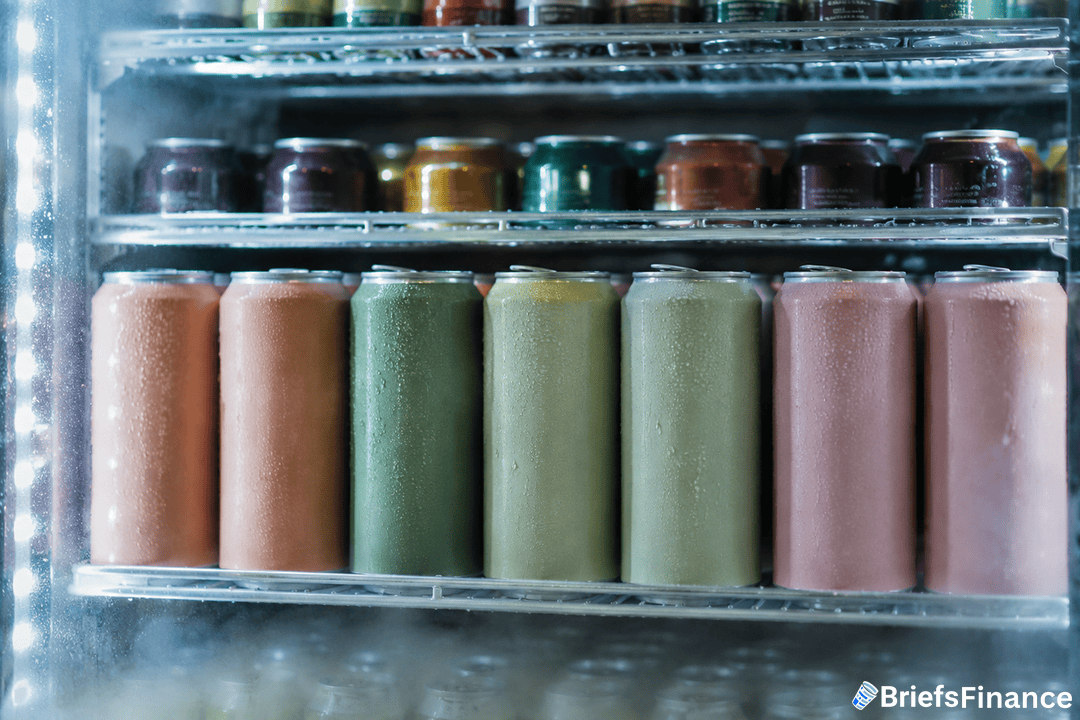
White Claw owned the last decade of drinking, but the bubbles are losing the next one. Hard seltzer volume just slipped while ready-to-drink cocktails climbed 46%, and the drinkers powering that swing are the same group that grew up watching their parents pound LaCroix.
The Trade That Took Out White Claw
The shift shows up cleanly in Circana's latest 52-week read, where malt-based hard seltzers dropped 1.1% while non-carbonated premixed cocktails like Surfside, Sun Cruiser, BuzzBallz, and Cutwater grew 46.4% over the same stretch.
Surfside is the headline name in that mix. The vodka-and-iced-tea drink from indie distiller Stateside Brands didn't exist before 2022, and by 2024 it had become the fastest-growing alcohol brand in the country per Nielsen IQ.
The driver behind that win is generational. Randy Burt of AlixPartners told CNBC that Gen Z is moving toward still drinks "across both alcohol and non-alcohol," with bloating, tooth worries, and the link between bubbles and sugary soda all pushing younger drinkers toward flat options.
Circana's Scott Scanlon also pointed to how fast Gen Z jumps brands. White Claw and Truly rode the same wave eight years ago, and the same drinkers now hop straight to Surfside and Sun Cruiser.
For investors watching the beverage shelf, Market Briefs breaks down the consumer trends moving stocks every weekday morning - and you get a free 45-minute investing masterclass when you join.
Who's Winning The Switch
The category leaders aren't sitting still, with Boston Beer launching Sun Cruiser in 2024 aimed directly at Surfside and Sazerac buying BuzzBallz the same year and watching volume rocket. Anheuser-Busch InBev now owns most of BeatBox and runs Cutwater Spirits, giving the world's biggest brewer two horses in the non-carbonated race.
The picks-and-shovels play: Ball Corp, the world's biggest aluminum can maker, where CEO Ronald Lewis said flatly on this month's earnings call that "the can is winning." Non-carbonated drinks ship in cans too now, since a quick shot of nitrogen keeps the can from buckling without the pressure carbonation usually provides.
Even Celsius is hedging, after the energy drink maker expanded its fizz-free line earlier this year and saw its noncarbonated peach mango green tea climb to its fourth-best-selling flavor per Chief Brand Officer Kyle Watson.
About 37% of Celsius drinkers reach for the drinks with meals, which is a use case where bubbles fall flat. Liquid Death, the still-water-in-a-can brand, paved the way for that shift after founder Mike Cessario got the cans into stores back in 2017, when no U.S. bottler had figured out how to put still water in aluminum without the can collapsing.
Hint Water is leaning into the same shift, with CEO Michael Pengue telling CNBC his still flavored water gives the brand "drinkability" and "pure hydration" that sparkling waters can't match. Stateside is also expanding the playbook, with a new vodka-and-sports-drink brand called Super Lyte that targets the same fizz-free crowd.
Worth Noting
PepsiCo's Poppi is still growing, so hard seltzer isn't dead, but the trade that minted White Claw a decade ago is reversing. The consumer-spending winners on the other side aren't the same companies that ran the last cycle.
Stateside CEO Clement Pappas said there was "huge pent-up demand for non-carbonated options" the whole time, and sales now agree.
If you want a five-minute read on which consumer shifts are actually moving stocks, join 350,000+ investors getting Market Briefs - signing up also unlocks a free investing course built for new investors.