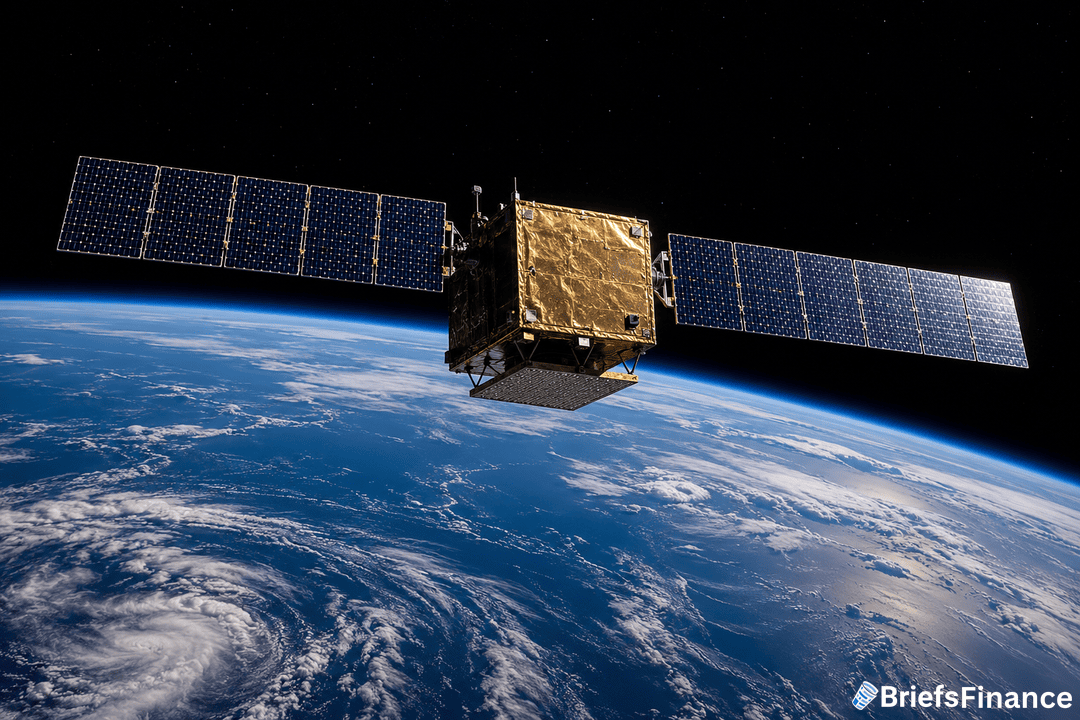
Google and SpaceX are reportedly in talks to put AI data centers into orbit, the Wall Street Journal reported. The pitch is part of SpaceX's case to investors ahead of its expected $1.75 trillion IPO later this year, and the math is still wobbly.
The Reported Deal
The Journal said Google is talking to SpaceX about launching satellites that would host AI compute, and that Google is talking to rival rocket-launch companies too. Google itself announced Project Suncatcher late last year, an initiative to put prototype satellites into orbit by 2027.
Project Suncatcher is Google's broader bet on orbital compute, designed to spread risk across multiple launch providers rather than rely on SpaceX alone.
The conversation builds on a string of recent SpaceX moves, including its February acquisition of xAI and a deal last week with Anthropic to tap compute from xAI's Memphis data center, with the possibility of working on orbital ones together too.
Google is also not a stranger to SpaceX, with a financial connection going back to 2015, when Google invested $900 million in the rocket company.
The IPO would be one of the largest in history, and SpaceX is using the orbital data center story to argue its rocket fleet can dominate the next phase of AI infrastructure.
We track the AI moves that actually move money inside Market Briefs - in five minutes a day, with a free investing masterclass when you sign up.
Why Orbit, And Why Not Yet
The case for putting data centers in space comes down to two things. Solar power runs constantly with no clouds in the way, and there is no town zoning board to argue with about water use or noise.
The case against is simpler - it costs a fortune to launch the hardware, like building a data center where every brick has to be flown by helicopter.
Elon Musk has been pushing the cost case for months, claiming orbital compute will be cheaper to run, while advocates more broadly point out that satellites avoid the local backlash that often hits big ground-based data center builds.
TechCrunch recently noted that earth-based data centers are still cheaper than orbital ones once you add in the cost of building and launching the satellites. So the orbital pitch is more of a long-term play than a near-term cost saver.
What To Watch
Google has not confirmed the talks, and SpaceX has not commented either. What is confirmed is the timing, with SpaceX heading into its IPO and Google standing out as the kind of partner that would make the orbital data center story real.
It also matters whether Google or other hyperscalers commit real capital to the orbital model in their next earnings cycles, since the case so far is more pitch than purchase.
The next test is whether prototypes go up on schedule in 2027.
If you want a clean take on the AI gold rush every morning, sign up for Market Briefs and get a 45-minute investing course as a free welcome bonus.