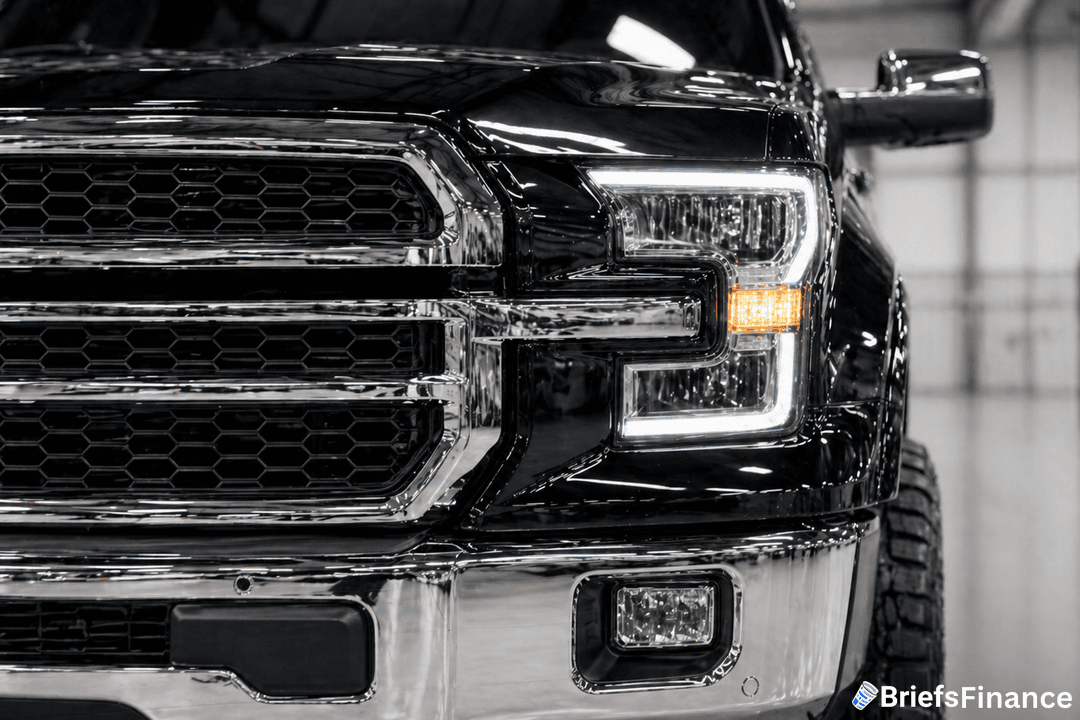
Higher gas, war in the Middle East, and consumer confidence at a record low - and GM customers are still walking into showrooms and buying $52,000 vehicles.
That's the story Mary Barra told investors Tuesday.
What GM Said
CEO Mary Barra said the Iran war is pushing up GM's costs, but customers haven't pulled back. The vehicle mix at GM (GM -0.04%) is staying healthy, which means people are still picking the bigger, pricier trucks and SUVs.
GM's average transaction price was $52,000 in Q1, in line with last year, while the industry-wide average for March was $49,275, per Cox Automotive.
"I think the biggest variable that we're looking at is how long does the conflict last," Barra said. "But, to date, we really haven't seen" a shift in customer behavior.
The Cost Picture
GM expects $1.5 billion to $2 billion in extra costs this year from a mix of pressures, including higher logistics, freight, and DRAM chips. The company says strong Q1 performance should offset the bulk of it.
DRAM is dynamic random access memory - the chips that run infotainment screens, digital dashboards, driver assistance, and EV systems.
Those DRAM hikes aren't from Iran. They're from AI. S&P Global Mobility wrote in a February note that data centers are now driving so much demand for high-bandwidth memory that DRAM makers are shifting capacity away from autos.
How GM Is Pushing Back
CFO Paul Jacobson said GM has "no real concerns" about supply chain shortages tied to the war right now.
The company is offsetting costs through warranty improvements, broader cost cuts, and possibly delaying some hires. "We are working to offset these cost pressures by reducing spending in other areas and by continuing to find efficiencies across the business," Barra said. GM is also rerouting vehicles, with trucks and SUVs that would normally ship to the Middle East being diverted to U.S. lots during the war. That market is usually a strong one for the automaker. "After this conflict ends, I think there's upside there," Barra said.
The Soft Spots
Q1 sales fell 9.7% from the same quarter a year earlier, though that stretch was an unusually high March in 2025 - so the comparison is rough.
Inventories on full-size pickups are tight as GM retools the trucks for updates later this year. Barra said if customers do shift toward cheaper vehicles or full-electric models, GM has the lineup to meet them there.
What To Watch
The University of Michigan's April consumer confidence reading hit a record low on Iran war fears, but GM's Q1 numbers say that hasn't reached the showroom yet. The next test is whether the average transaction price holds in Q2.