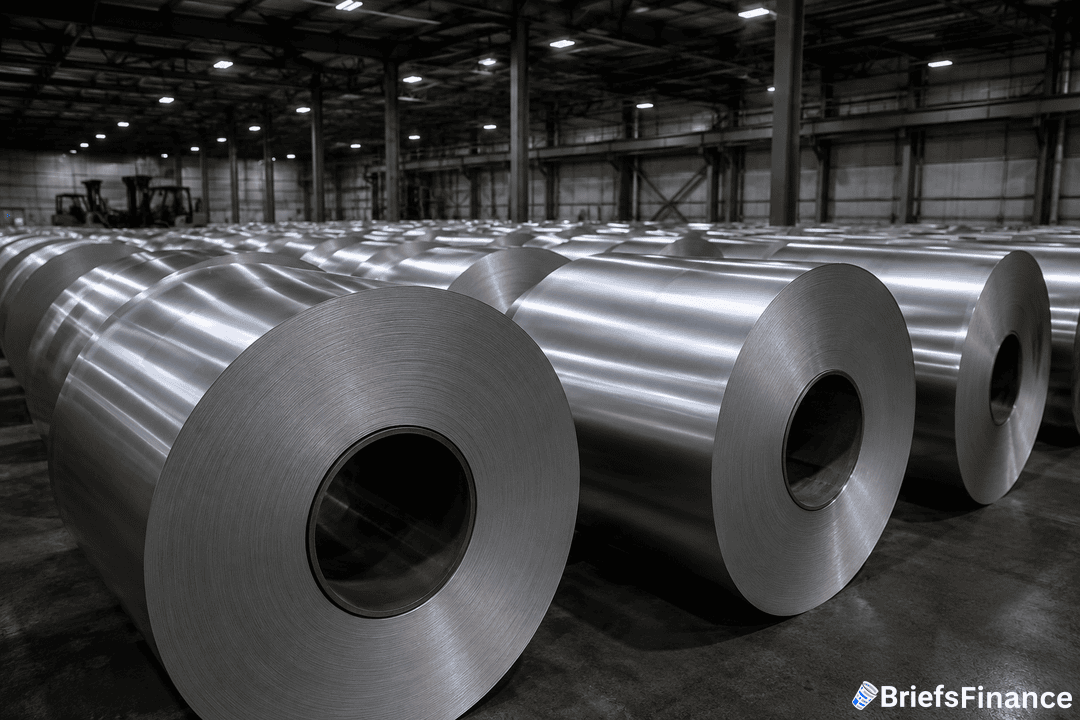
The car you drive and the beer can you drink from share a cost problem.
Ford just doubled its forecast for commodity headwinds this year to over $2 billion, mostly because of aluminum. Coors Light's parent says aluminum added $30 million to costs in just one quarter. The Iran war is the throughline.
What's Driving Prices
Aluminum on the London Metal Exchange has surged more than 13% since the U.S. and Israel hit Iran on Feb. 28. Prices are up roughly 19% so far in 2026, the highest levels since 2022. LME aluminum traded near $3,536 per metric ton this week.
Bernstein analyst Bob Brackett says the cause is the closed Strait of Hormuz, a key shipping lane for Middle East aluminum. About 7% of the world's aluminum comes from the region. Strikes have damaged production sites and knocked roughly 3% of global supply offline.
There's a second pressure too. Aluminum needs lots of energy to make. Higher gas and coal prices from the war flow straight into smelter costs.
The Companies Getting Hit
Ford. CFO Sherry House told analysts the war is clouding the F-150 outlook. Aluminum is core to the truck.
Ford was already seeing global shortages in steel and aluminum before Iran, House said.
Ford shares are down 17% since the war started. The S&P 500 climbed 5.7% over the same period. UBS analyst Joseph Spak says Wall Street's worry is "overblown" because Ford has hedged its aluminum exposure for 2026.
Molson Coors. The Coors Light and Miller Lite parent paid an extra $30 million in Q1 alone, per CFO Tracey Joubert. The U.S. Midwest aluminum price drove the hit.
The company has used recyclable aluminum cans for over six decades. It's expecting more inflation this quarter.
Keurig Dr Pepper. CFO Anthony DiSilvestro grouped aluminum with several commodities now under pressure. "As with many CPG companies, we have both direct and indirect exposure," he said.
What's Next
UBS now expects global aluminum supply to grow just 0.3% in 2026. That's down from a prior forecast of 2.4%. The bank cited Middle East disruption and limited room for European capacity to expand.
That tight supply has nowhere obvious to loosen. Brackett told clients last week that aluminum's upside risk comes from both broken supply chains and broken power costs.
The energy story matters because U.S. natural gas and European coal both run hot when Middle East crude is off the market. Smelters in Europe were already running on thin margins before the war.
The Strait of Hormuz isn't just an oil chokepoint. Roughly 7% of the world's aluminum trade also moves through it, per Bernstein.
When that lane closes, every can, every truck panel, and every window frame gets more expensive. The pass-through to consumers takes time but it's already started in CPG.
What To Watch
Hedges run out. Ford has 2026 covered. But every CPG company saying it has "indirect exposure" is telling investors the cost is coming, just not when.
The cost will not show up in earnings notes the way oil does. It will show up as thinner margins, higher beer prices, or pricier trucks. The companies that hedged early will hold up best.
The ones that did not are about to run a real test of pricing power.