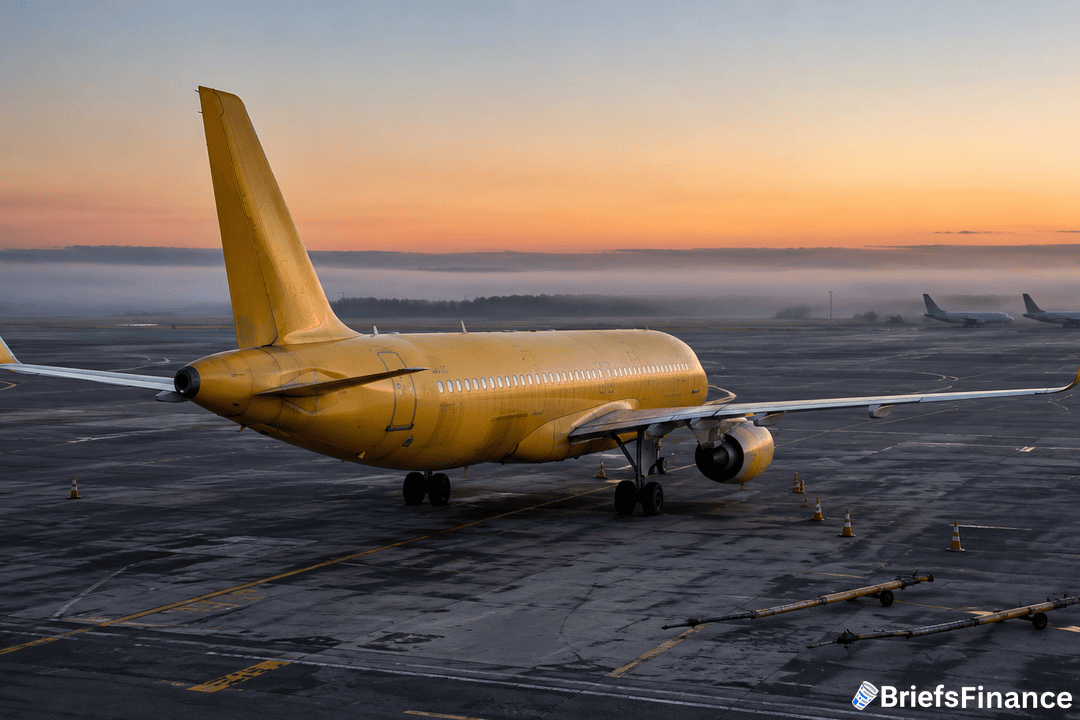
Spirit Airlines died on May 2, and the post-mortems have been everywhere since.
Delta CEO Ed Bastian gave the shortest one this week, telling Bloomberg Television: "Spirit didn't go out of business because of fuel prices. They went out of business because they had a bad product."
That single quote reframes the whole industry debate.
Bastian's Take
The standard story is that the Iran war pushed jet fuel to a level Spirit couldn't survive, but Bastian's argument is that Spirit was already dying and fuel just sped it up.
The numbers back him - Spirit hadn't been profitable since before the pandemic, it was in its second bankruptcy in less than a year, and a $500 million Trump administration bailout collapsed in early May after bondholders Citadel and Ares Management rejected terms that would have given the government a 90% equity stake.
JD Power's Michael Taylor put it plainly: "A low percentage of passengers said they would fly the airline again after their most recent experience."
Spirit also had the smallest seat pitch in the industry, charged for carry-on bags, and posted some of the highest complaint rates of any US carrier. Consultant Mike Boyd was just as blunt: "the day of being able to maintain business just on the basis of offering a low fare is over."
We translate moves like this into what they mean for your portfolio every morning in Market Briefs - five-minute read, with a free investing masterclass when you join.
The Premium Split
Bastian sees rising fuel costs and Spirit's exit pushing the industry into two lanes - one sells experience, the other competes on price.
Delta has been openly betting on the first lane for years, with bigger seats, premium cabins, lounge upgrades, and paid loyalty perks, and that bet looks better with Spirit gone.
The math on the budget side keeps getting harder, since discount carriers can't easily raise fares to cover higher fuel. Their trade group has already asked Congress and the Trump administration for a $2.5 billion bailout.
But the budget model isn't dead - Allegiant ranks above average in JD Power surveys with the same low-base-fare playbook, and Breeze, founded in 2021, is one of the fastest-growing airlines in the US. The difference is that customers don't hate flying them.
Worth Noting
Spirit's exit is expected to push fares higher in Fort Lauderdale, Detroit, and Las Vegas, where it had the biggest market share.
Outside those routes, low fares still exist - they just exist on airlines that figured out you also have to be tolerable to fly.
Bastian's quote was about Spirit, but the lesson applies to every discount carrier still in the air.
For the read on stories that hit your portfolio - airlines, AI, all of it - sign up for Market Briefs - delivered each weekday morning, with a 45-minute investing course as a bonus.