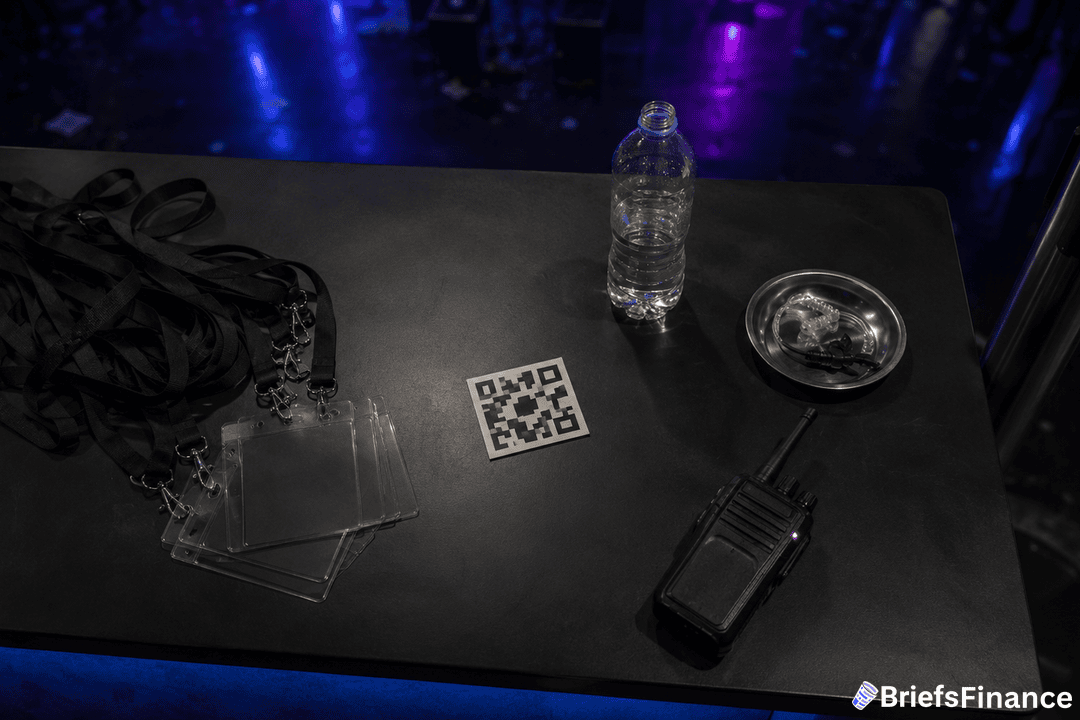
The badge around your neck used to be a networking tool, and at a crypto conference in 2026 it might also be a target. After a brutal stretch of kidnappings, home invasions, and aggressive phishing campaigns, the industry that built itself on "be your own bank" is quietly hiring a lot of bouncers.
Physical Risk Has Moved Off The Internet
In January 2025, attackers kidnapped Ledger co-founder David Balland from his home in France at gunpoint, cut off his finger, sent it to his business partner, and demanded a €10 million ransom in crypto. His wife was later found tied up in the trunk of a car, and both survived the attack.
The case wasn't isolated, with French authorities charging 25 people across a string of similar attacks on crypto holders. That's the backdrop conference organizers are now planning around.
Private security firms that serve crypto holders say demand has surged, while exchanges are paying to protect executives in public. Some conferences are restricting badge information so attackers can't read a name and company off a lanyard from across the room.
You can get this kind of read on what's actually moving in markets every morning in Market Briefs - new readers also get a free 45-minute investing masterclass when they join.
The Online Threat Got Worse Too
Chainalysis pegged total crypto scam losses at $17 billion in 2025, with impersonation scams jumping more than 1,400% year over year in its 2026 Crypto Crime Report. AI is part of the reason - the report found that scams using AI tools were about 4.5 times more profitable than those without.
The bigger shift is where the attacks are landing. Off-chain methods - compromised logins, social engineering, and supply chain tricks - drove 76% of all hack losses in 2025, instead of smart contract bugs.
The code got harder to break, so attackers moved upstream to the humans who hold the keys. Kraken's chief security officer, Nick Percoco, says phishing is now the most common scam at crypto events.
The reason is mundane: people scan QR codes all day at conferences, and one swapped sticker can route the link to a fake wallet page with almost no technical lift. Percoco told the industry to use burner wallets and treat the conference floor like a hostile network.
What To Watch
Crypto conferences used to be about getting on stage, and now the safer move is to keep your name off the lanyard.
If you want a sharper read on the markets without the noise, sign up for Market Briefs - you'll also get a free investing masterclass when you join.