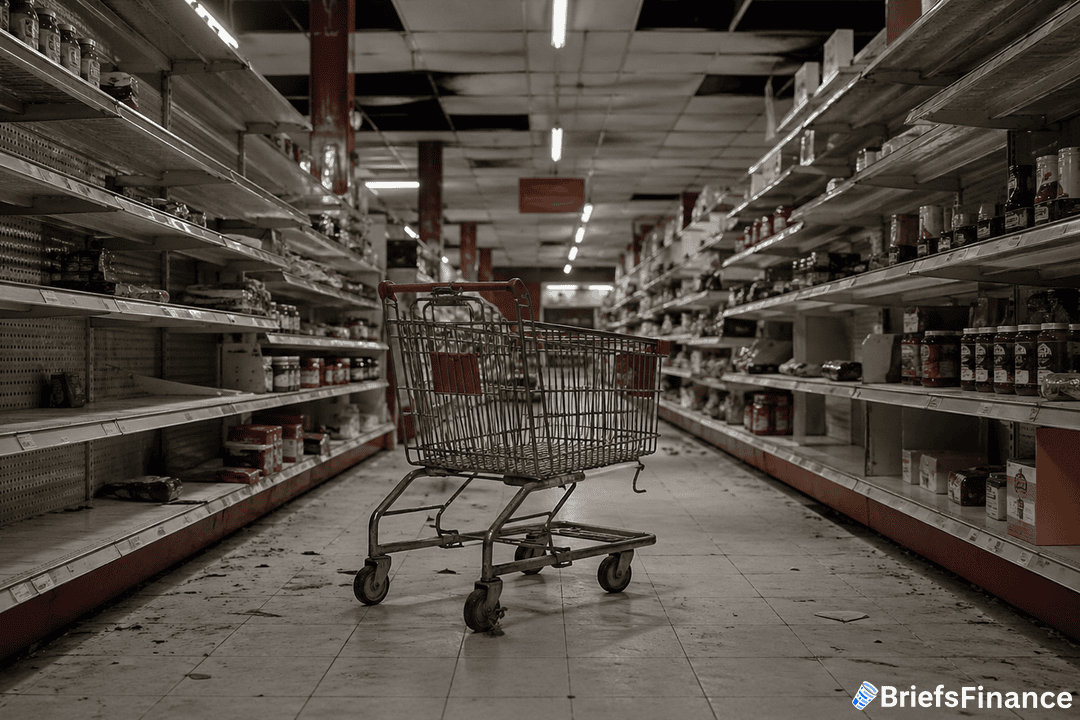
Americans feel worse about the economy than they did in 2008. They feel worse than during COVID, and worse than during the 2022 price spike.
And this reading came in after a two-week US-Iran ceasefire was already in place.
The final April Michigan consumer sentiment print hit 49.8. That is the lowest number in the history of the index.
It also beat what economists had hoped for. They were looking for 48.5, which means the bar was set even lower than the real result.
What The Index Measures
The Michigan index tracks how people feel about their money. It also tracks how they feel about the wider economy.
It comes out before the hard spending data each month. That is why the Fed and Wall Street watch it so closely.
A score near 50 is not a "half-happy" reading. It is near the floor of what this index can show, the kind of low you only see in a real crisis.
What Makes This One Different
Past lows had a clear cause. The 2008 print came as banks were failing, the COVID low came during lockdowns, and the 2022 low came with prices rising at a 40-year pace.
This print is different. It lands during a ceasefire, with the most obvious risk off the table for now.
And the number still fell.
What Changed Since March
The index dropped 6.6% in one month. It is down 4.6% from where it was a year ago.
That is a big fall from a bad starting point. Whatever is weighing on shoppers is getting heavier, not lighter.
The usual causes are still in view. High prices at the store, high mortgage rates, and a softer job market are all still in play.
Why Investors Care
Mood does not buy or sell stocks. Shoppers do.
Shoppers who feel this bad tend to spend less. They put off big buys, which pulls down housing and hiring.
That flows right into the earnings of the firms in most portfolios. Airlines, stores, home builders, and restaurants all live off the same shopper who just said they feel as bad as ever.
The Fed watches this number too. Softer spending cools prices, and cooler prices clear the path for rate cuts.
The Ceasefire Paradox
A ceasefire is supposed to lift mood. This one did not.
The pause with Iran held for two weeks, and mood still fell. That tells you the war story was only one piece of the drag.
The rest sits closer to home. Gas, rent, jobs, and the grocery bill matter more right now.
Even with the Iran risk off the front page, the bills did not shrink and the job fears did not go away. The rate relief never came either.
What The Fed Sees In This
The Fed does not set policy on mood alone. But it does read this data.
A mood this weak points to slower spending ahead. Slower spending usually points to cooler prices. Cooler prices point to rate cuts.
None of this is a promise. It is just the path the data is laying out.
Worth Noting
Earnings season is about to test shopper behavior. Do they still spend even when they say they feel awful?
The Michigan index says that gap has already closed.