Oil at $100 a barrel doesn't just mean more expensive gas. It means more expensive everything.
That's the message coming out of China's export hubs right now - where the factories that make a huge chunk of America's consumer goods are scrambling to deal with a raw materials crunch tied to the Iran war.
Plastic Is the Problem
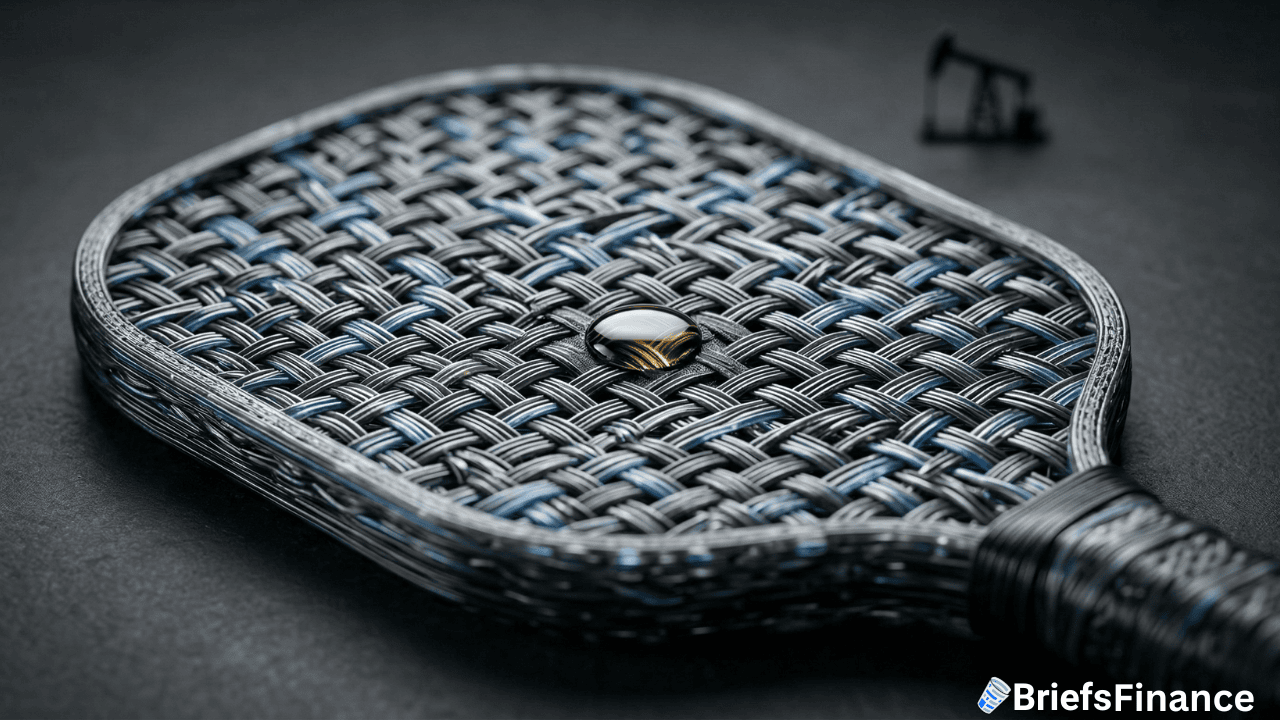
Most people don't think of a pickleball paddle as an oil product. But it is.
Devi Wei runs Huijin Trade, a Chinese export company that ships paddles and pickleballs to the U.S. His products are built with polypropylene - a plastic that comes from petroleum and is heavily produced in the Middle East.
With the Strait of Hormuz shut down and oil shipments stalled, Wei told CNBC at a Beijing trade fair that he's already bumped his prices by a fifth. And if the fighting in Iran keeps going, he said those prices could jump to twice what they were before.
He's not the only one feeling the squeeze.
It's Not Just Paddles
James Li sells scarves - about a third of them to American buyers. His polyester fabrics are oil-based too, and he's tacked on a 5% markup so far.
Over in the toy aisle, Wang Mingming runs Jinming Gifts and has been stockpiling two months' worth of PVC - the plastic polymer his figurines are made from. He told CNBC the materials have no real substitute, and another jump in oil prices would put him in a tough spot.
The pattern is the same across industries. Oil goes up, raw material costs follow, and factories pass the bill to their customers - which, in many cases, means American shoppers.
The Clock Is Ticking
Cameron Johnson, a supply chain consultant at Shanghai-based Tidalwave Solutions, says the real trouble starts if the Hormuz standoff isn't sorted out soon. His prediction: if this stretches past April, companies across different sectors will start fighting over the same limited supply of oil-based materials.
Cars and medical equipment would likely get first priority. Everything else - toys, sporting goods, clothing - gets pushed to the back of the line.
And there's a second hit coming that's harder to measure. When gas prices climb, people spend less on things they don't strictly need.
Worth Noting
Wei put it simply: everyday consumers are bearing the heaviest burden from high oil costs, and their buying power isn't what it used to be.
His pickleballs might be the last thing on anyone's mind during a war. But they're a perfect example of how far the ripple travels.