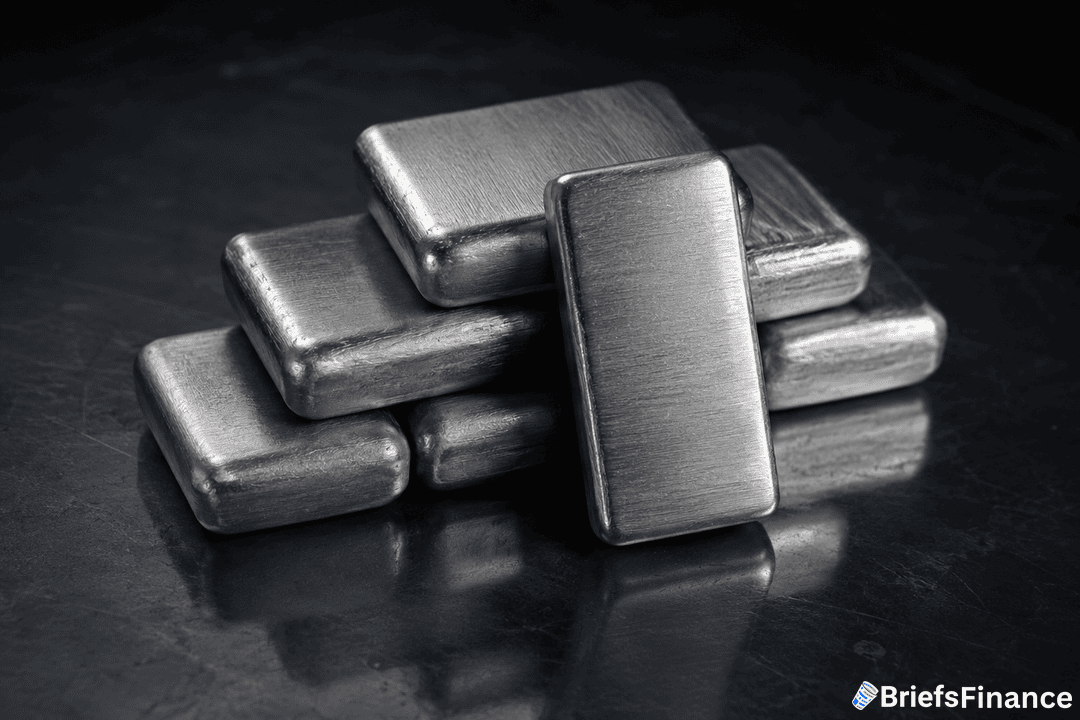
China just bought more palladium in a month than it normally does in a quarter, and a new domestic futures market is the reason.
The story isn't only about hedging - it's about who sets the global price for these metals from here.
What's Pulling Metal Into China
Palladium shipments hit 8.6 tons in April, according to Chinese customs data out on Wednesday. That's nearly three times the usual seasonal pace.
The catalyst: The Guangzhou Futures Exchange launched yuan-denominated platinum and palladium futures last November - China's first homegrown hedging tool for these metals. Options on those contracts followed the next day, and the local price picture changed fast.
When you can sell metal in Shanghai for more than you can sell it in London, traders move metal east - and that's exactly what's happening.
The math is simple. Traders buy palladium in London, ship it to Shanghai, and pocket the spread - which is what just pulled a record 8.6 tons into the country in a single month.
Every weekday morning, Market Briefs breaks down stories like this in five minutes - plus you get a free investing masterclass thrown in when you sign up.
Why China Wants Its Own Price
China is the world's biggest user of platinum and palladium. Roughly 60% of platinum and 80% of palladium goes into green industries there - car emissions systems, wind power, and hydrogen energy.
But China imports almost all of it. In 2024, the country brought in 91.1 tons of platinum and palladium combined, or 71% of total supply.
When global prices swing 20% in a year, Chinese factories absorb the hit. Yuan-priced futures fix two things at once: they cut out the dollar currency risk, and they let companies lock in delivery prices on Chinese terms.
Think of it like having your power bill priced in your own currency instead of one that moves around every day. The number stops jumping.
This also fits a broader Chinese strategy. Beijing has been building yuan-denominated futures markets in crude oil, iron ore, and natural rubber over the past decade, chipping away at dollar pricing one commodity at a time.
On the demand side, Chinese EV makers and clean-energy producers stand to benefit most from that stable yuan-priced supply, since they're the heaviest users of both metals.
What To Watch
China is quietly building a second global price benchmark for industrial metals, with long-term implications for who sets the price of green technology inputs.
South African and Russian palladium producers may now route deliveries directly through Chinese contracts, which would weaken London's historical role as the price-setter for these metals.
If local Chinese prices keep running above global ones, the import surge won't stop, and the arbitrage will keep pulling physical metal east.
The next customs report will tell investors whether April was the start of a trend or a one-month spike.
For a sharp daily read on commodities and the macro moves that drive them, sign up for Market Briefs - the daily newsletter, plus a 45-minute investing course as a bonus.