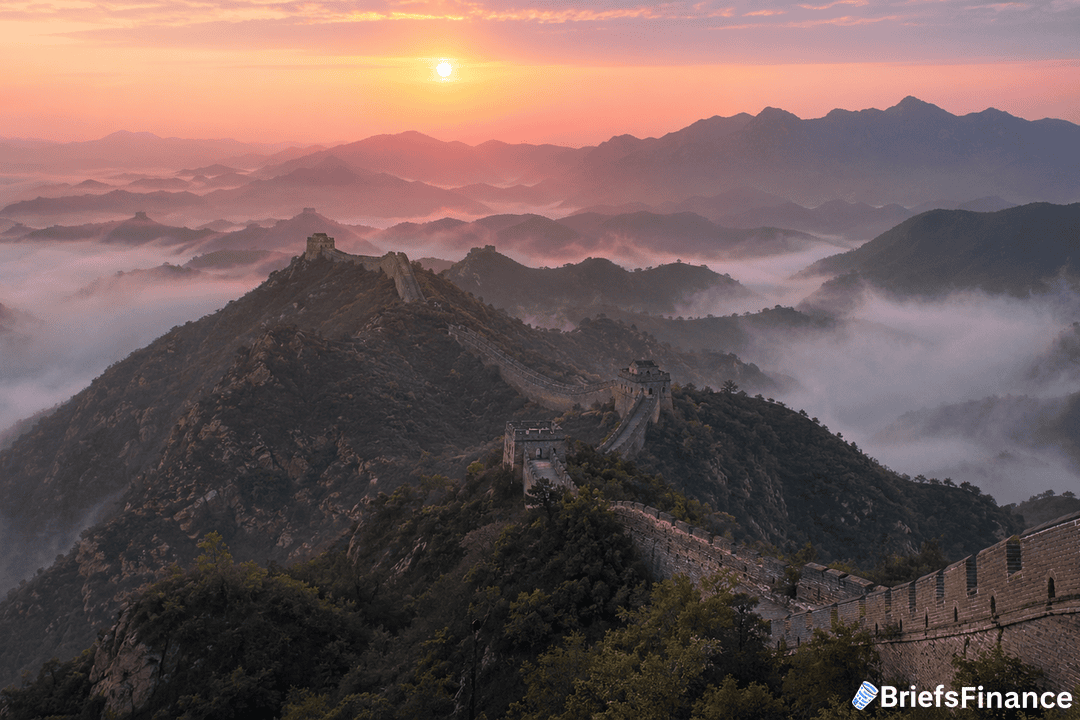
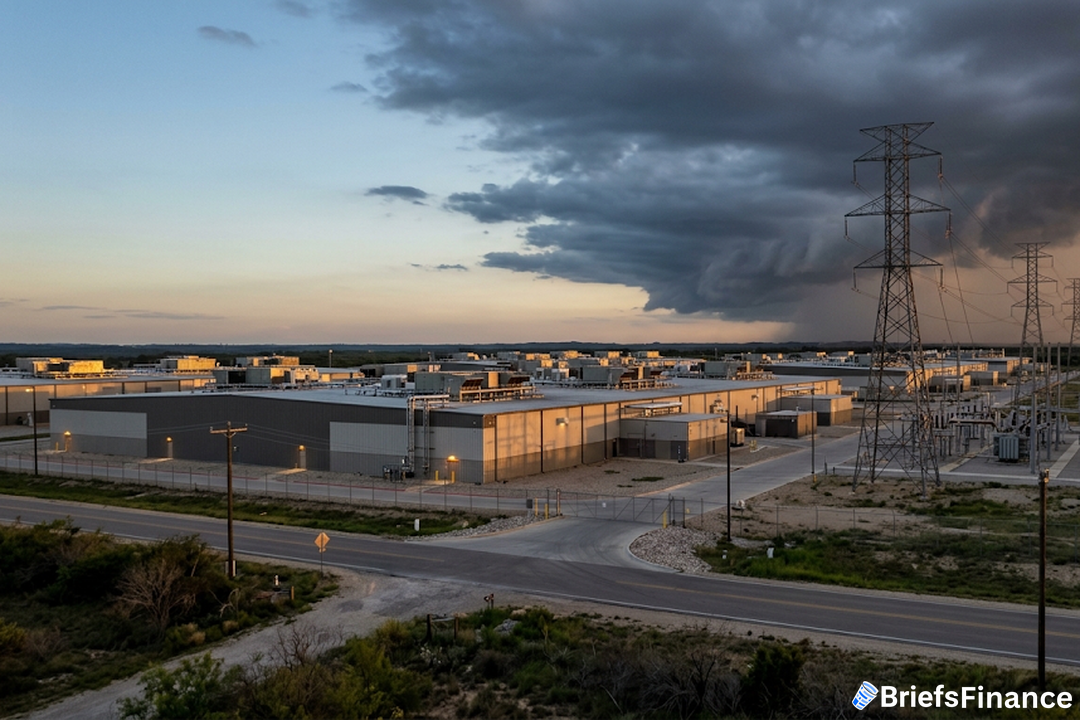
China just drew a new line around its AI champions.
The country is moving to curb US investment in its top domestic AI firms. The push is part of a wider plan to keep China's strategic tech firms under local control.
Part of the trigger was a recent Manus AI deal that drew US capital.
Why China Is Doing This
China sees AI as a strategic sector. That means the government wants local firms to lead the space, not US-owned joint ventures.
Letting US money into top Chinese AI firms creates two risks for Beijing. It gives US investors a slice of the wins, and it gives US policy leverage over those firms.
Blocking that flow is the simple way to shut both doors.
The Manus AI Trigger
Manus AI is a Chinese AI firm that caught US investor interest. When that interest turned into a deal, Beijing moved.
The timing shows how fast the line has hardened. A year ago, these deals were mostly cleared. Now they are getting blocked.
Manus is one case. More are likely to follow.
What This Means For US Investors
For US venture firms, the blocked path is the bigger issue. They held some of the best deal flow into Chinese AI for years.
That flow is now mostly cut off. It pushes US venture cash into US, Indian, and European AI names instead.
For public US investors, the story is smaller but still real. Some US listed names have Chinese AI stakes, and those stakes just got harder to grow.
The Strategic Piece
AI is not the first sector China has walled off. Semiconductors, EV batteries, and rare earths all have their own rules.
AI is now joining that list. The pattern is clear - if a sector is strategic, US money stays out.
That is a change from the open-investing era of the 2010s. The rules have shifted for good.
How China Backs Its AI Firms Instead
With US money cut off, Chinese AI firms need local funding. That comes from three places.
State-backed funds, big Chinese tech firms like Tencent and Alibaba, and Chinese venture firms. All three are pushing more cash into the space.
That keeps the AI race going at home. It also keeps the wins local.
What Comes Next
Expect more specific rules soon. China tends to roll out broad plans first and then add detail.
The detail will show how wide the block is. If it covers all AI firms, the flow of US money really does stop. If it only covers top ones, a side door stays open.
Watch the next few policy releases for the answer.
The Trade Read
This move cuts both ways in the trade talk. Beijing loses some outside cash, but it keeps full control of the AI map.
Washington loses a seat at the table in China's AI race, but it keeps its own firms safer from Chinese claims.
Both sides tend to treat this as a fair trade. Neither is rushing to reverse it.
Worth Noting
The US and China are slowly splitting their tech markets. The AI move is the latest piece of that.
Each side is building its own set of AI firms. The gap between them keeps growing.
The map just got harder to cross.