Chile's new president told voters his reform plan would deliver 4% annual growth by 2030. Three months later, the IMF cut its 2026 forecast for Chile in half of that, and the country's own fiscal watchdog is sounding similar alarms.
The math problem at the center of it all is simple: Chile is cutting taxes today and counting on growth to pay for it tomorrow.
What Kast Is Actually Proposing
President Jose Antonio Kast's National Reconstruction Plan would phase Chile's corporate income tax (CIT) - the tax companies pay on profits - down from 27% to 23% by 2029, while adding a 25-year tax invariability rule for big new projects, a tax credit for hiring low-income workers, and a shift to a fully integrated tax system.
On the other side of the ledger, Kast wants to trim the public workforce, crack down on abuse of public-sector medical leave, and end low-performing programs.
The targets are big: 4% annual GDP growth, 6.5% unemployment, and a balanced structural budget by 2030. The fine print is harder, with Chile's headline budget deficit this year on track for about 2.5% of GDP under current policies, per IMF projections.
If you want to keep up with global market shifts every weekday, we cover the moves that matter in Market Briefs, and joining gets you a 45-minute investing masterclass at no cost.
Why The IMF Is Skeptical
The IMF mission concluded that even with the plan's growth boost, Chile will still need extra fiscal cuts of 2 to 3 percentage points of GDP to hit its debt and deficit targets. Without them, government debt could push above 45% of GDP by 2028.
Chile's Autonomous Fiscal Council put it more bluntly, saying the plan locks in higher spending and lower revenue today while the upside depends on growth that may or may not show up.
Carlos Smith, a researcher at Universidad del Desarrollo, told UPI the IMF's pitch is that more targeted, cheaper subsidies for new jobs would beat broad tax cuts. Local economist Jaime Bastias said the IMF downgrade was "absolutely" expected because Chile's central bank had already moved the same way.
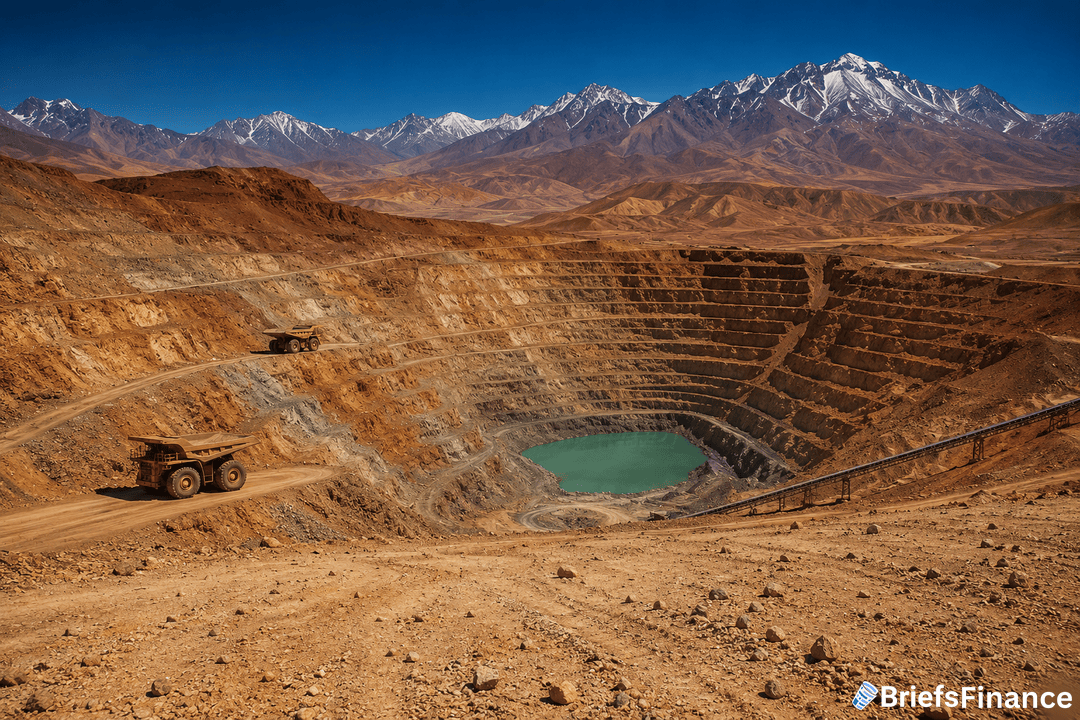
The upside case still exists, since the IMF says that if copper holds in the $5.50 to $6.00 a pound range, Chile could reach 3% growth by the late 2020s. More than half of that bounce would come from copper alone.
What To Watch
Three things to track from here: where copper trades, whether Congress trims Kast's tax cuts to protect the budget, and how fast oil prices ease if the Iran ceasefire holds.
Chile's central bank is part of the watchlist too, since its 2025 reserve buildup added about $4 billion through the end of April and helps cushion the peso if the war drags on. Chile's fortunes are tied to one metal and one set of rules, and both are in motion at the same time.
Read Market Briefs every weekday morning for plain-English market coverage, and you'll get a free investing masterclass thrown in when you sign up.