Silver gets called "the poor man's gold." That nickname is misleading.
Silver does double duty - it's a precious metal that holds value over time, and it's an industrial metal that goes into solar panels, electronics, and medical equipment. That's a unique mix you don't get with gold.
If you've been curious about adding silver to your portfolio, you have a few real options. We'll walk through what silver is, why investors buy it, and the four main ways to actually own it.
This is the kind of topic we break down regularly in Market Briefs, our free daily newsletter that explains what's moving markets in plain English. If you want it in your inbox every weekday, you can sign up at briefs.co.
Why Invest in Silver in the First Place
Silver isn't a stock. It's a commodity - a raw material that has value because of what it is, not because of what a company does with it.
Stocks are tied to a CEO, an earnings report, and a quarterly call. Silver's price moves on supply, demand, and how investors are feeling about the dollar.
Here's why silver shows up in portfolios:
- Store of value. The U.S. dollar has lost over 95% of its purchasing power since 1913. Precious metals like silver have held purchasing power across long stretches of history.
- Diversification. Silver often moves differently than stocks. When stocks fall, metals sometimes rise or hold steady.
- Industrial demand. Solar panels, EVs, and electronics all need silver. That's a real-world demand stream gold doesn't have.
- Crisis insurance. In tough economic moments, metals tend to hold their value while paper assets get wobbly.
Silver isn't a get-rich-quick play. It's more like a steady piece of a balanced plan.
The 4 Main Ways to Invest in Silver
There's no single "right" way to buy silver. Each option has tradeoffs.
Let's break them down.
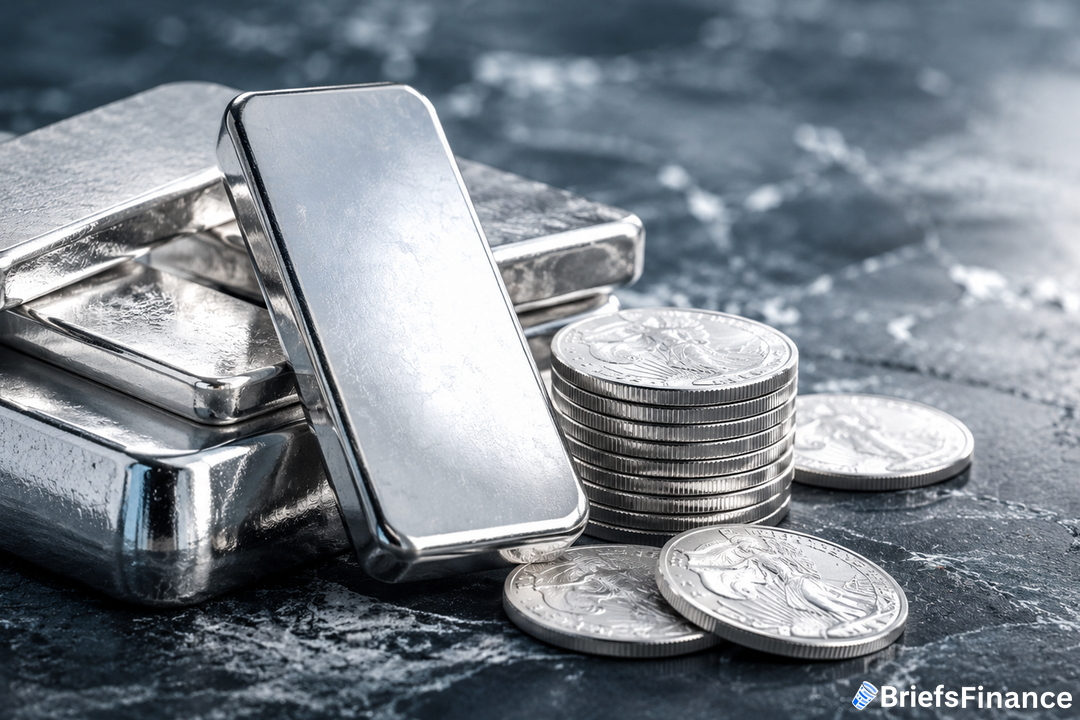
1. Invest in Physical Silver (Bars and Coins)
This is the most direct way to own silver - you actually buy bars or coins from a dealer.
The price you pay is based on the spot price - the live price you'd see for silver on a market - plus a small fee from the dealer.
Pros:
- You hold the asset in your hand.
- No middleman. No bank or exchange holds it for you.
- Can't be hacked. Bars don't have a digital footprint.
Cons:
- You have to store it. That means a safe, a bank vault, or somewhere secure.
- You have to insure and protect it, which can cost money.
- It's not very liquid - you can't walk into a store and spend it. You have to sell it for cash first.
2. Invest in Silver Through ETFs
A silver ETF is a fund you buy through your brokerage account that tracks the price of silver. The most well-known one is SLV - the iShares Silver Trust.
You don't own actual silver here. You own shares in a fund that holds silver on your behalf.
Pros:
- Easy to buy and sell - it trades like a stock.
- No storage worries. It's a paper asset.
- Can be held in retirement accounts like a 401(k) or IRA. (Physical silver usually can't.)
Cons:
- Annual fees, called the expense ratio - the yearly cost of owning the fund.
- Can be more up and down on a daily basis since it's so easy to trade.
- You don't actually have the metal in your hand.
3. Invest in Silver Mining Stocks
Instead of buying silver, you buy shares in a company that mines silver. This is a stock - a security tied to a real business.
Mining stocks can move faster than the silver price itself. When silver prices rise, mining costs usually stay flat, so profits can grow even faster than the metal does.
Pros:
- Leverage. Share prices often rise faster than silver itself when prices climb.
- Some mining companies pay dividends - regular cash payments just for owning the stock.
Cons:
- It's a stock, which means it carries company risk - bad management, bad mines, debt issues.
- When silver falls, mining stocks usually fall harder than the metal.
You can also buy mining ETFs to spread your risk across many mining companies at once - similar to how you can invest in copper mining through ETFs.
4. Invest in Silver Futures (Advanced - Not for Beginners)
A futures contract is an agreement to buy or sell silver at a set price on a future date. Futures are how big institutions trade commodities.
Here's the honest truth: futures are not for casual investors. They use heavy leverage - meaning small price moves can wipe out your account fast.
If you're brand new to silver, skip this one. Most retail investors are better off in physical silver, ETFs, or mining stocks.
How Much Silver Should You Invest In?
There's no perfect number. But here's how investors usually think about it.
Silver typically sits inside a broader alternatives allocation - a small slice of your portfolio set aside for things like precious metals and crypto.
A common starting framework looks like this:
| Risk Level | Total Alternatives | Silver Allocation |
|---|---|---|
| Conservative | 5-8% of portfolio | About 1% |
| Moderate | 10-15% of portfolio | 2-3% |
| Aggressive | 15-25% of portfolio | 2-3% (plus mining stocks) |
These are starting points, not rules. The right number depends on your age, your goals, and how much risk you can stomach.
A 30-year-old with 30 years until retirement can usually handle more swings than someone five years from quitting work.
Risks to Know Before You Invest in Silver
Silver is volatile - the price swings around more than gold does. That's because of the industrial side, where slowing factories drop silver demand.
If you're buying physical silver, double-check fees. Some dealers charge well above the spot price, especially on small orders.
If you're buying ETFs, check the expense ratio. The lower, the better.
And if you're buying mining stocks, treat them like any other stock. Look at the company's financials, leadership, and how much debt they're carrying.
One more thing - watch out for FOMO. Fear of missing out destroys more investors than nearly any other factor, especially with metals like silver. The price can run hot, then drop fast. Don't chase it.
Final Thoughts on How to Invest in Silver
Silver is one piece of a portfolio - not the whole thing. Most investors are best served keeping silver as a small allocation alongside stocks, bonds, and other holdings.
Start small and pick the format that fits your situation. And rebalance once a year so silver doesn't quietly grow into a bigger piece of your portfolio than you intended.
If you want more breakdowns like this - on silver, gold, stocks, real estate, and what's actually moving markets - Market Briefs is our free daily newsletter that lands in your inbox every weekday morning. Thousands of investors use it as their first read of the day, and you can join free at briefs.co.