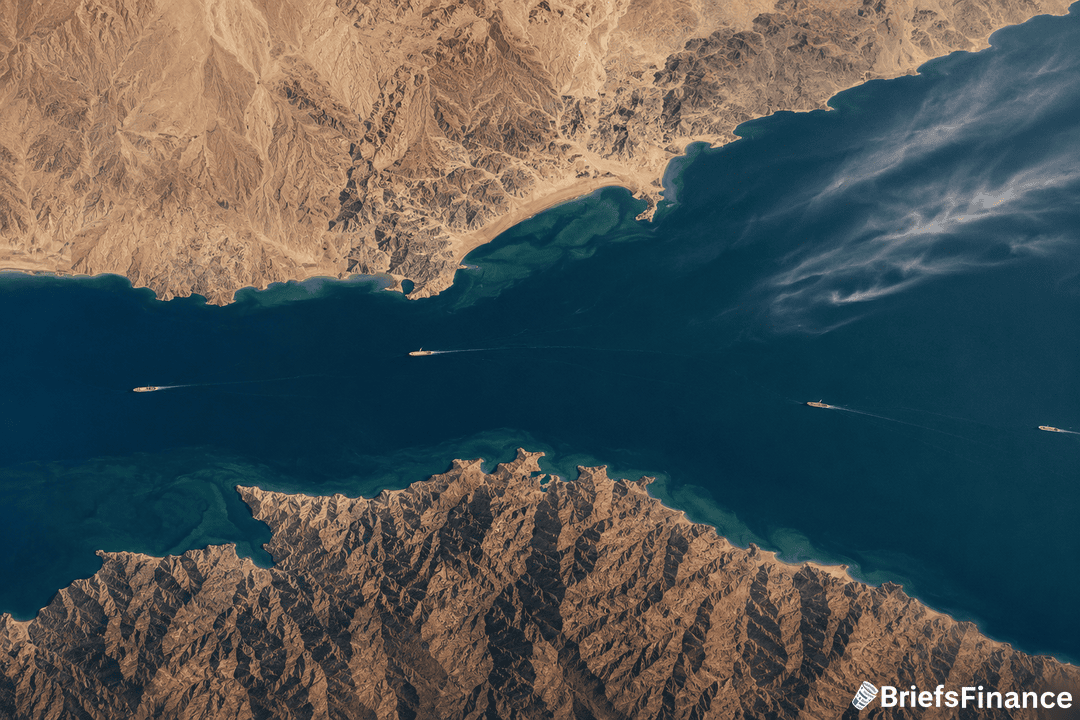
A fifth of the world's oil moves through a 24-mile-wide stretch of water between Iran and Oman. For most of modern history that water has been treated as international, but Iran is now pitching a different arrangement.
In a Bloomberg interview in Paris on Wednesday, Iran's ambassador to France, Mohammad Amin-Nejad, said Tehran is in active talks with Oman to set up a permanent toll system for ships passing through the Strait of Hormuz. "Iran and Oman must mobilize all their resources both to provide security services and to manage navigation," he said, adding that "those who wish to benefit from this traffic must also pay their share."
The framing is sober, but the implication is not. Iran is trying to turn a wartime chokehold into a long-term business model.
From Wartime Closure To Permanent Toll
Iran shut the strait when the US-Israeli war on the Islamic Republic kicked off in late February. Pre-war, the strait moved roughly 135 ships per day, while Iran now claims only 26 vessels were waved through between Tuesday and Wednesday with help from the Islamic Revolutionary Guard Corps.
Even taking that number at face value, traffic is a fraction of normal. That collapse is the main reason oil prices have soared since the start of the year and a key driver of the bond selloff that has followed.
Iran has already set up a new entity called the Persian Gulf Strait Authority and has, in some cases, asked individual ships for payments of up to $2 million for safe passage. The deal with Oman would replace those one-off "fees" with a formal toll booth run by the two countries that share the strait.
Market Briefs breaks down what energy and geopolitics moves like this mean for your portfolio in five minutes a day - and you get a free investing masterclass when you join.
Why Iran's Neighbors Are Pushing Back
Saudi Arabia, the UAE, and other Gulf Arab states have been quietly furious about the idea of Iran dictating navigation rules for a waterway they all depend on. The head of the UAE's main oil company, Sultan Al Jaber, said this week that letting one country control a route this critical sets "a dangerous precedent" for global trade.
"Once you accept that a single country can hold the world's most important waterway hostage, freedom of navigation as we know it is finished," Al Jaber said.
President Donald Trump has moved between threats and dealmaking, at one point floating a US-Iran joint venture over the strait and at other points warning Iran "better not be" considering tolls. The April 8 ceasefire still holds, though neither side has signed anything binding and both have hinted at resuming hostilities.
What To Watch
Three things will tell investors whether the toll plan is real. The first is whether Oman publicly engages, since the Omani government has not responded yet and a formal toll authority is impossible without it.
The second is whether shipping companies actually send vessels back through the strait under any pricing structure, with most still keeping their tankers parked. The third is whether the Trump administration moves the conversation back to a US-Iran arrangement or pushes harder on its naval blockade.
The longer the war stays paused without a deal, the more entrenched Iran's claim on Hormuz becomes.
If you want a clear daily read on energy, oil markets, and what they mean for your money, Market Briefs is delivered every weekday morning - plus a free 45-minute investing course when you sign up.