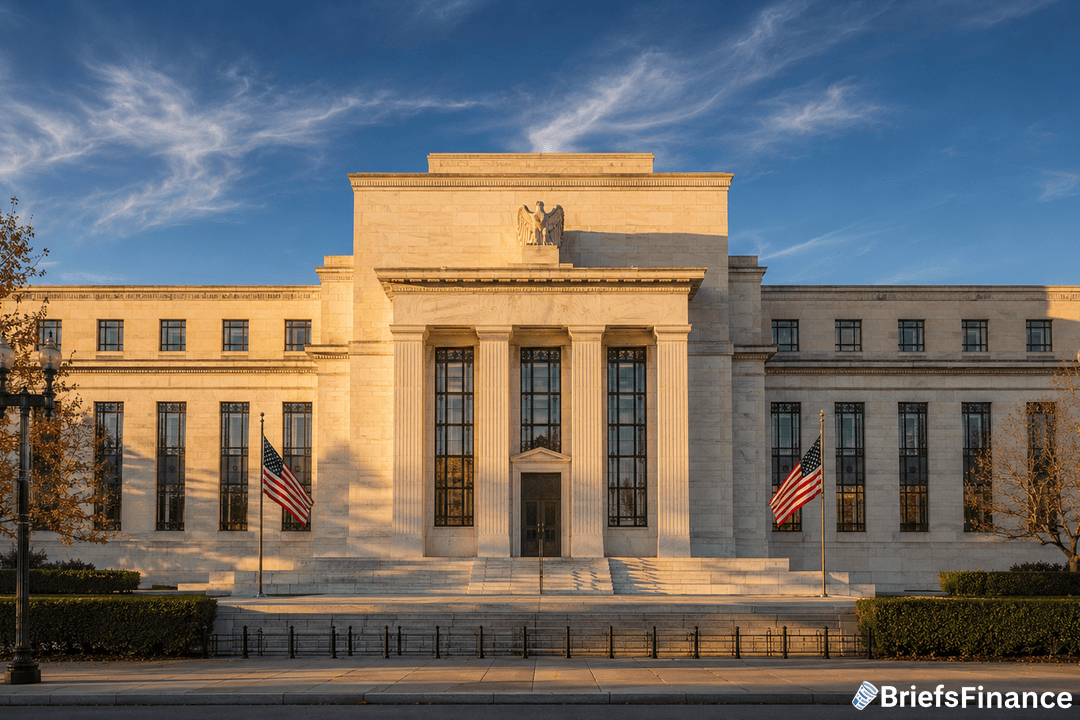
This is the moment the Fed officially becomes Trump's Fed.
Kevin Warsh is Trump's hand-picked choice to run the central bank. The former Fed governor will be sworn in on Friday.
The process began in summer 2025. It finished last week with a near party-line Senate vote.
But the rate cut party may not be back just yet.
Why The Market Is Cautious
Trump nominated Warsh hoping for a faster path back to lower rates. The Fed cut three times in 2025.
The data is fighting that plan. Inflation is still running above the Fed's 2% target. The Powell Fed has missed that target for more than five years straight.
The job market is stable, which takes away the usual reason to ease. So traders are waiting for proof that inflation is heading back down before pricing in more cuts.
That's the tension Warsh walks into on day one. A president who wants lower rates, and an economy that hasn't earned them yet.
If you want the daily read on what the Fed means for your money, Market Briefs hits your inbox every weekday morning - plus a free investing masterclass when you join.
The Wealthiest Chair Ever
Warsh is 56. He'll be the 11th Fed chair in the modern era.
He'll also be the richest person to ever hold the job, based on the financial papers he filed before confirmation.
That comes with a catch. New ethics rules force him to sell a big chunk of his portfolio before he gets the gavel.
The point is to stop any clash between his own holdings and the rate calls he'll vote on.
Jerome Powell's term ended Friday. But he stays on as chair on a short-term basis until Warsh is officially seated. Then it's a clean handoff.
The Senate vote went almost entirely along party lines. That itself says a lot about how political the Fed has become.
Powell wraps up his run with one big number working against him. The Fed's main inflation gauge has come in above 2% for more than five years straight. That's the streak Warsh now inherits.
What To Watch
The first FOMC meeting under Warsh is where the story really starts. Markets will pick apart every word for signals on the pace of cuts.
A dovish opening sets up another rate cut by year-end. A cautious one tells investors the inflation fight isn't over.
The Fed's job is to bring inflation back to 2%. Warsh's job is to do that without breaking the labor market or the bond market.
He doesn't get long to prove he can.
A little context helps. Powell took the job in February 2018. His run saw COVID, the highest inflation in 40 years, and the fastest rate-hike cycle since the 1980s.
Warsh comes in with rates already cut three times and an economy that still hasn't beaten inflation. Stocks, bonds, and the dollar will all move on his first words at the mic.
If you want this kind of read on every Fed move, sign up for Market Briefs here - and you'll get a free 45-minute investing course thrown in too.