A shopper walks into a store and the website says the shirt is in stock. The staff cannot find it, and the order gets cancelled.
That was a 25% problem for one of Radar's retail clients. The startup just hit unicorn status by fixing it.
The $170 Million Bet On Knowing Where Your Stuff Is
Radar closed a $170 million Series B at a value over $1 billion, the company told CNBC. Gideon Strategic Partners and Nimble Partners co-led the round, and Align Ventures joined.
Founder Spencer Hewett started the company in 2013 with backing from Peter Thiel's fellowship for young entrepreneurs. The first plan was instant checkout, but the strategy shifted to inventory tracking.
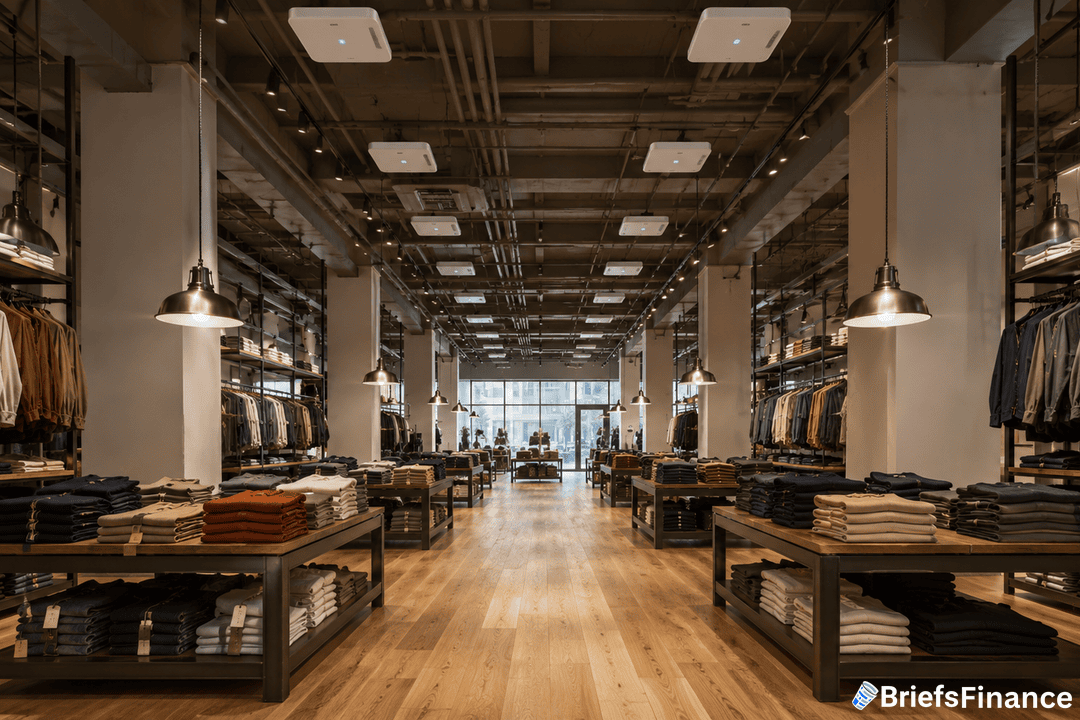
The tech uses ceiling-mounted hardware to read RFID tags. Those are the small chips inside retail price stickers, and Radar reads them with 99% accuracy.
American Eagle was the first major chain to roll it out, and CEO Jay Schottenstein is also an investor. Old Navy and other chains covering more than 1,400 stores now use the platform.
"American Eagle has unlocked greater inventory visibility, empowered our associates and sharpened our insights," Schottenstein said.
Every morning, Market Briefs breaks down the startup deals worth your time, and you also get a free investing masterclass when you sign up.
Why Inventory Loss Is The Quiet Killer Of Retail Margins
Shrink is the trade term for stock that vanishes. It costs retailers billions every year.
Most people picture shoplifters, but the reality is messier. Boxes arrive short, pallets get mislabeled, staff take items, and the system says a shirt is on the shelf when it is not.
Radar gives store managers live counts. Hewett said one client saw shrink fall 60% at a single store after rollout.
Another chain offering buy-online-pickup-in-store watched its cancel rate drop from 25% to 3% after launch.
"You don't have the labor hours to go and count every box that gets shipped, so you have to accept what they say is there," Hewett told CNBC. "With Radar, like, you actually have a real time check to make sure that it is true, and then flag it immediately if it's not."
The tool also helps staff find a specific item when a shopper asks for it. Instead of guessing whether the back room has the right size, the team can see exactly where it is in the store.
Worth Noting
The shrink number that matters is not always the net number. A store with a 15% shortage and a 15% overage looks even on paper, but its stock is off by 30% on the items shoppers actually want.
If a shopper cannot find their size, they do not buy. That lost sale shows up in revenue and margin.
"Sizes and colors matter, like, if you don't have my size, I'm not going to buy it," Hewett said. "We effectively eliminate that issue to make sure you're always in stock in the sizes and colors and products that you want to have."
A $1 billion price tag says backers think a lot of chains are about to learn how much that has been costing them.
Want this kind of read every morning? Sign up for Market Briefs here and you will also get a free 45-minute course on finding investments as a bonus.