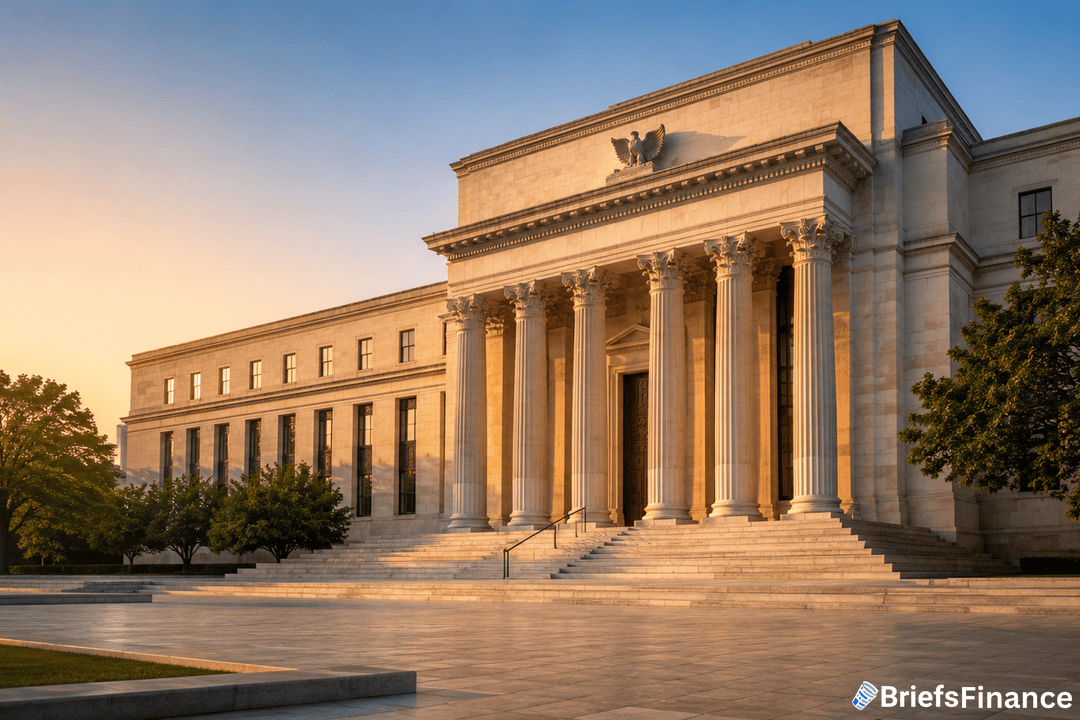
April inflation came in hot, with wholesale prices climbing at the fastest annual pace since late 2022. The Treasury Secretary still says price pressures are about to ease.
The timing matters because the Federal Reserve is about to get a new boss.
Bessent's Disinflation Call
Scott Bessent told CNBC on Thursday that the recent inflation surge is mostly an energy story, with the U.S. planning to keep pumping oil to ease the supply shock from the Iran war.
"I firmly believe that nothing is more transient than a supply shock," Bessent said. He told CNBC the U.S. can look through it because core inflation was already cooling before the Iran conflict began.
He expects one or two more hot readings before "substantial disinflation" actually shows up.
Bessent's view stands out because the data this week looked uniformly bad for inflation, with core inflation, energy inflation, and wholesale prices all moving the wrong way at once.
We break down what calls like this actually mean for your money every morning in Market Briefs - five minutes a day, with a free investing masterclass included when you sign up.
April Inflation Came In Hot
Consumer prices rose 0.6% in April alone, and even without food and energy, core prices climbed 0.4%.
Twelve-month inflation now sits at 3.8%, with core inflation at 2.8%.
Producer prices, which often signal where consumer inflation is going next, climbed 1.4% in April. The yearly rate hit 6%, the strongest reading since late 2022.
Import and export prices both notched four-year highs as energy costs stayed high since the Iran war broke out.
Kevin Warsh Takes Over Friday
Kevin Warsh was confirmed by the Senate on Wednesday and becomes Fed Chair on Friday when Jerome Powell's term ends.
Bessent called it the start of the "Warsh Fed." He said this period is different from the 2021-22 inflation surge, when the prior Fed was criticized for calling rising prices "transitory" and waiting too long to act.
That wait let inflation top 9% at its peak.
The handoff lands as markets debate whether the Fed has held rates too high for too long, with cuts still on hold and inflation drifting back up.
"I was never on team transitory during Covid," Bessent said. He said the energy piece will come down "whether it's a few days or a few weeks."
What To Watch
The next inflation reading is the first real test. A hot print makes Bessent's call harder to defend, while a cooler one lets the Warsh Fed walk in with the wind at its back.
The Treasury secretary doesn't set interest rates, but Bessent's pitch that the inflation surge is a temporary supply shock is exactly the kind of argument that usually pushes the Fed to ease, not tighten.
Either way, the market is waiting to see if the new chair agrees.
The energy piece is the wildcard. If oil prices ease in the weeks ahead, the headline inflation numbers should follow.
Sign up for Market Briefs for daily news on what the Fed, Treasury, and markets are doing - and you also get a 45-minute investing course as a bonus.