Births in the U.S. fell 16% in 18 years.
Target just made its biggest baby bet in more than 10 years. That math sounds wrong, but it isn't.
Target's New Baby Shops
Target put new baby shops in about 200 stores over two months. That's about 10% of its store count.
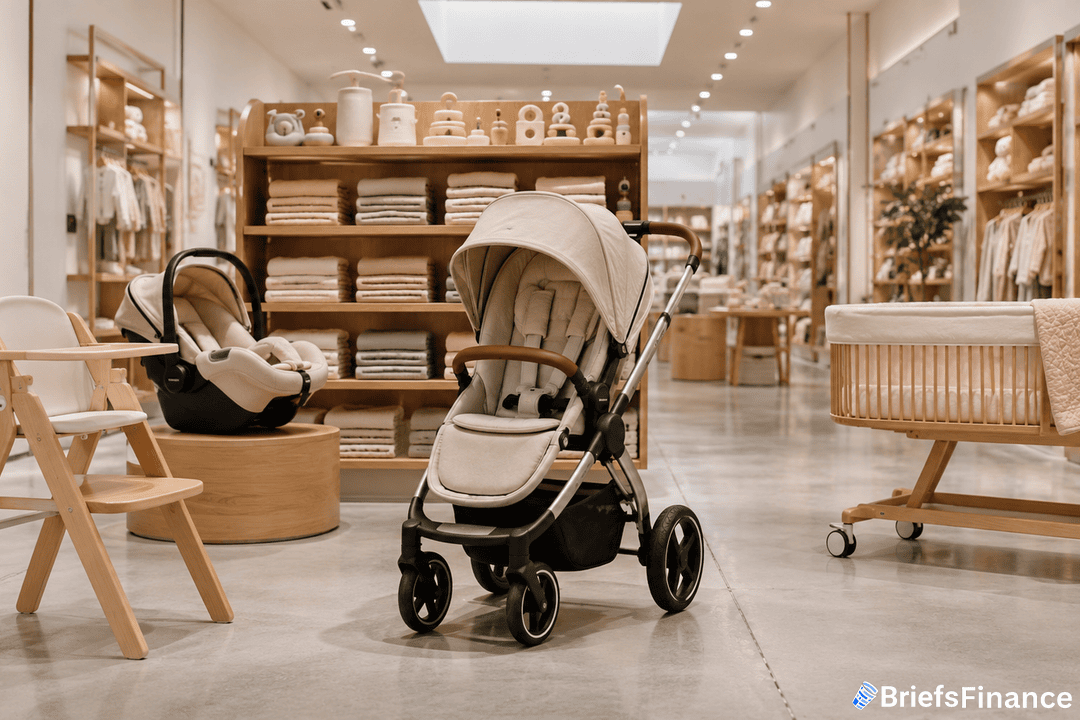
Now shoppers can test strollers and car seats outside the box. That kind of hands-on shop got rare after Buybuy Baby and Babies R Us went bust.
The shelves hold top brands like UPPAbaby, Stokke, Bugaboo, and Doona. One stroller costs $1,000 and sits right by the diapers.
Target also added almost 2,000 new baby items chain-wide. There's a new help desk in the shops too, run with Tot Squad.
The desk walks new parents through what to buy. Tot Squad runs in-store and online.
WildBird, a maker of baby carriers, also hit Target shelves in March. It's the brand's first big move into a brick-and-mortar chain.
The push comes from new CEO Michael Fiddelke. He took the top job in early February.
His first earnings report drops May 20.
Every morning, Market Briefs breaks down moves like this in five minutes, plus a free investing masterclass when you sign up.
Why Babies Beat Birth Rates
U.S. births fell from 4.32 million in 2007 to 3.61 million in 2025, per CDC data.
So why bet here? Young families are Target's best shoppers.
Homes with kids under five spend twice as much as the rest of Target's base, per merch chief Cara Sylvester. Those same homes also visit twice as often.
If Target wins one parent buying a stroller, it sells them food, clothes, and house goods for years. That math wins even with fewer kids being born.
Sylvester told a March meeting that Target had "lost the clarity and discipline" that make it loved by busy families. This baby push is meant to win them back.
The plan is also long-term. Earn a young parent's trust now, and Target may keep them for a decade or more.
Where Target Sits Now
Target holds 17.6% of the U.S. baby market, per Numerator data through February. Walmart leads at 27%. Amazon comes in at 24.4%.
Two years ago, Target was at 18.6%. Walmart was at 25.4%. Amazon stayed flat.
Foot traffic at Target stores and on its site fell for four straight quarters. Placer.ai data shows recent gains.
Target plans to spend about $5 billion this year on new stores and remodels. That's more than $1 billion above last year.
The road ahead is rocky. A big teachers' union is pushing a new boycott as back-to-school shopping starts.
Morgan Stanley's Simeon Gutman says higher gas prices could pinch lower-income shoppers and squeeze sales. Walmart has been better at holding wealthy buyers, he said. Target may not have the same edge.
What To Watch
May 20 is the first earnings report under the new CEO. It's also the first read on whether the new shops are pulling young families back.
Sign up here and get the daily newsletter plus a 45-minute investing course thrown in as a sign-up bonus.