Ukraine spent most of 2025 grinding inflation down, and a war in another part of the world just undid the progress.
So the central bank is sitting still while it figures out what comes next.
The Decision
The National Bank of Ukraine left its key rate at 15% on Thursday, with every economist surveyed by Bloomberg expecting the hold.
The bigger news was in the forecasts. The bank raised its inflation outlook for 2026 to 9.4%, up from 7.5% in its January view, while the 2027 forecast moved up to 6.5% from 6%.
At the same time, the bank trimmed its growth outlook, with Ukraine's GDP now expected to expand 1.3% this year, down from 1.8%.
The bank also told markets not to expect rate cuts until the second quarter of 2027, a clear signal that policy will stay tight for some time.
Why Energy Is The Story
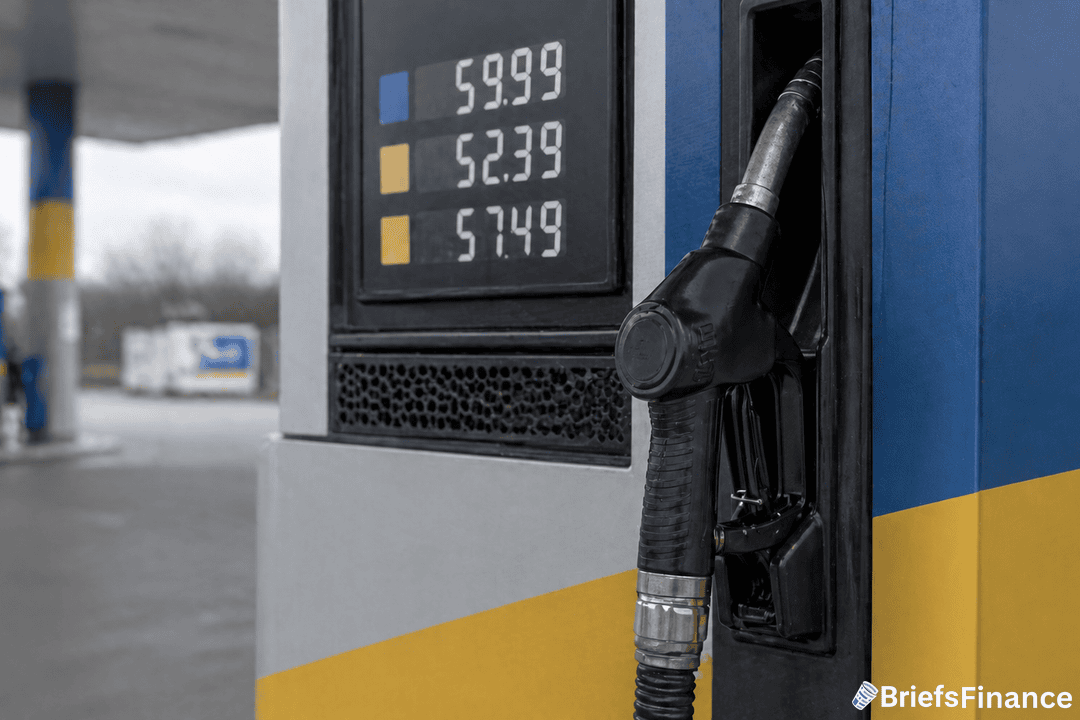
Fuel prices in Ukraine surged 23.4% year over year in March, while transport costs jumped 6.4% in the same month, both tied to the U.S. and Israel's war against Iran.
The World Bank expects global energy prices to rise 24% this year, the steepest jump since Russia invaded Ukraine in 2022.
For Ukraine, that's a double hit. Higher fuel prices feed straight into inflation, and they also raise costs for businesses already operating under wartime conditions.
The NBU said it expects inflation to peak around the 9.4% mark by year-end, with prices easing only as the energy shock fades.
Where The Hryvnia Fits In
A weaker hryvnia would push prices higher by making imports more expensive, which is part of why the central bank is keeping the rate door shut for now.
The NBU has been transferring more profit to the state budget this year, with one recent filing showing a 73.6% jump in remittances to the government compared with 2024.
Those flows help fund the war effort but also tie monetary policy more tightly to fiscal needs.
For investors with Ukraine exposure, that means rate decisions are not just about inflation - they're about war financing too.
The IMF's $15.6 billion lending program with Kyiv runs through 2027, and a review mission is set to land in late May to check the books.
Ukraine's prime minister has said the country needs more than $40 billion in outside financing this year to keep budgets balanced and the war effort funded, with finance minister Serhiy Marchenko later putting the gap closer to $45 billion.
That makes every fuel price tick a budget issue as much as a price issue.
Germany has set aside more than 11 billion euros in its 2027 budget to back Ukraine, and other EU members are weighing similar moves to plug the funding gap.
For markets, the bigger question is whether the rate hold and the cut to growth send fresh stress signals to Ukraine's eurobond holders.
What To Watch
The bank expects inflation to fall back to its 5% target by 2028, but that view assumes the energy shock fades on schedule.
If the war in the Middle East drags on, those numbers could move again, and the IMF mission visiting Kyiv in late May will get a closer look at how the budget is holding up.
Ukraine's inflation slowed to 8% in 2025 from 12% the year before, and it looks like the country gives some of that progress back this year.