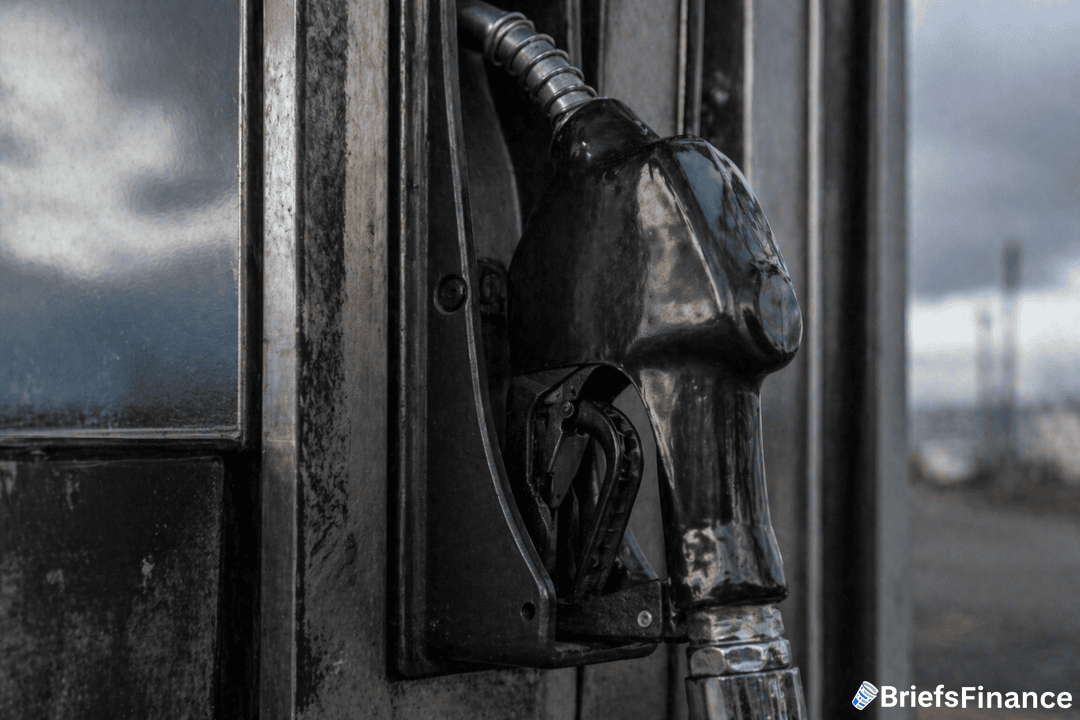
San Francisco has become the first U.S. city on record where average diesel prices topped $8 a gallon. The milestone was hit on Saturday, April 5, 2026, according to GasBuddy and AAA data.
Diesel is what moves the economy, so prices at this level feed straight into grocery costs, restaurant menus, and retail margins over the following weeks.
How It Got Here
Three forces are stacking on top of each other in California. The Iran war has pushed global oil prices sharply higher, while the state requires a specific cleaner-burning fuel blend that few refineries outside California can produce, which tightens supply.
On top of that, California has some of the highest fuel taxes and environmental fees in the country, so every barrel that does reach the state carries extra cost layers. San Francisco gets the full national oil shock plus the state premium that other markets do not pay.
The National Context
Where prices stand as of April 5, 2026:
- National average for regular gasoline: $4.11 a gallon, up 86 cents from a month earlier.
- California average: $5.92 a gallon.
- Washington state average: $5.37 a gallon.
The West Coast is carrying the highest costs, and San Francisco is just the first city to cross the $8 diesel line. That order matters, because the Bay Area usually previews what other California metros experience within a few weeks.
Why Diesel Matters
Diesel powers trucks, trains, and heavy equipment that move goods around the country. When diesel hits $8, delivery costs rise, trucking companies raise freight rates, and those rate hikes show up in consumer prices at grocery stores, restaurants, and retail chains.
For small businesses that rely on trucks, margins get crushed fast, which tends to show up in hiring cuts and price increases. For families, higher delivery and grocery prices are on the way if this price level holds.
The Refinery Problem
California's unique fuel blend means only a handful of in-state refineries can produce it, and two large ones have announced closures or conversions over the past two years. That permanent loss of capacity is amplifying every supply shock that hits the state.
Gasoline imports from Asia used to fill some of the gap, but Iran war disruptions have reshuffled shipping lanes and pushed import costs higher. Without new refinery investment, California structurally faces higher prices than the rest of the country for years to come.
What to Watch
San Francisco is a preview of where other California cities could be headed if the Iran war and related oil supply disruptions continue. It also reminds investors that the headline oil price is only part of the story, since regional fuel blends and taxes spread the pain unevenly across the country.
Watch Los Angeles and San Diego diesel prices over the next two weeks for the next shoe to drop.