There are hundreds of thousands, possibly even millions, of businesses of all different sizes all throughout the world.
The vast majority of these businesses and companies are privately owned by individuals, families, partnerships, sometimes even private investors.
The problem? As a regular investor, it’s difficult to gain access to these companies, as there's no simple marketplace for private shares of a company.
Being private has its perks - but many businesses choose to go public, which opens shares to regular investors.
Today, there are a few thousands of companies that are publicly traded.
And when you hear about a company "going public," they're talking about an IPO or an initial public offering.
But what exactly does that mean, and why should you care?
Let’s break down what going public means, why companies do it, and how investors can gain access to shares of publicly traded companies.
Speaking of going public - our market analysts are breaking down publicly traded companies every week in our Market Briefs Pro report.
We’re spotting potential opportunities before the rest of the market catches on, with all of the data and research you need to make smarter decisions as an investor.
Subscribe to Market Briefs Pro today.
What Is an IPO?
IPO stands for initial public offering. It's the first time a company makes its shares available to everyday investors like you.
When a company goes public, its shares start trading on exchanges like the New York Stock Exchange or NASDAQ.
That's when regular people can become part owners.
Before an IPO, a company is private. Only founders, employees, and early investors own shares.
After an IPO, those shares hit the stock market. Anyone with a brokerage account can buy in.
Some of the biggest companies you can think of are public, like Apple, Ford, and Coca-Cola.
Not every company is public - in fact, there are more private companies than public ones globally.
An IPO essentially opens the doors to the public - but why would a company want to go public and launch its IPO?
Why Do Companies Go Public?
Companies don't just wake up one day and decide to go public. It's a long process that can sometimes take years to go through with the Securities and Exchange Commission.
There are lots of reasons why companies decide to go public - but here are the most common reasons why they do it:
1. To Raise Money
Going public is one of the fastest ways to raise a lot of capital or cash quickly.
Take Alibaba: In 2014, they raised $21 billion in their IPO.
That's a record amount of money in a single day.
Other massive IPOs? Facebook (now Meta), Kraft, and UPS. These are household names that raised billions when they went public.
Companies use this money to fund their operations, expand into new markets, develop new products and hire more people.
Without raising money, many companies wouldn’t be able to grow as quickly, so going public allows them to generate that money.
2. Publicity and Legitimacy
When a company goes public, it gets instant credibility.
Why? Because the SEC (Securities and Exchange Commission) starts watching. Again, going public is not a quick and easy process
There are regulations, reporting requirements, and lots of rules public companies must follow.
Private companies also have rules, but the difference is private companies don’t have to report their financial info to the public.
That level of transparency allows investors to understand the businesses more clearly.
It’s not to say that private companies are not legitimate - the level of transparency is simply different.
In short - this creates a level of trust with customers, consumers ,and investors.
There's also excitement - an IPO is a milestone.
It can sometimes take decades for a company to grow through private capital to the point where it can even consider going public.
When it finally does, it’s an accomplishment for the founders and executives.
3. To Liquidate Equity
Before a company goes public, early investors sometimes put money in. Founders gave up part of their ownership to raise funds.
These people want to get paid back eventually and an IPO gives them that opportunity.
When a company goes public, early investors like venture capitalists or angel investors can sell their shares.
This allows them to finally cash out their investment, and exit the investment.
What Happens When You Buy IPO Shares?
When you buy a share in a company's IPO, you become a part owner of that company.
In simple terms: You own a piece of that business.
Here's what that gets you:
- Voting rights - The more shares you own, the more say you have in shareholder meetings.
- Potential profits - If the company does well, your shares increase in value.
- Participation in growth - You benefit as the company makes money.
But there's a catch. You only own the company on paper.
You can't walk into a McDonald's and tell employees what to do just because you own shares.
You can't demand that the ice cream machine gets fixed (even though we all want that).
You don't manage day-to-day operations.
You're an investor, not the CEO.
Real-World IPO Examples
Some of the world's biggest companies started with an IPO.
- Alibaba (2014) - Raised $21 billion, one of the largest IPOs ever.
- Facebook (2012) - Now known as Meta, raised $16 billion.
- UPS - Went public decades ago, still one of the most recognized brands.
More recently, we've seen IPOs in new industries:
- Firefly Aerospace (2025) - A space infrastructure company that raised $868 million in a single day.
- SentinelOne (2021) - A cybersecurity company that IPO'd but has since seen volatility.
- Rubrik (2024) - Another cybersecurity IPO with a market cap around $13 billion.
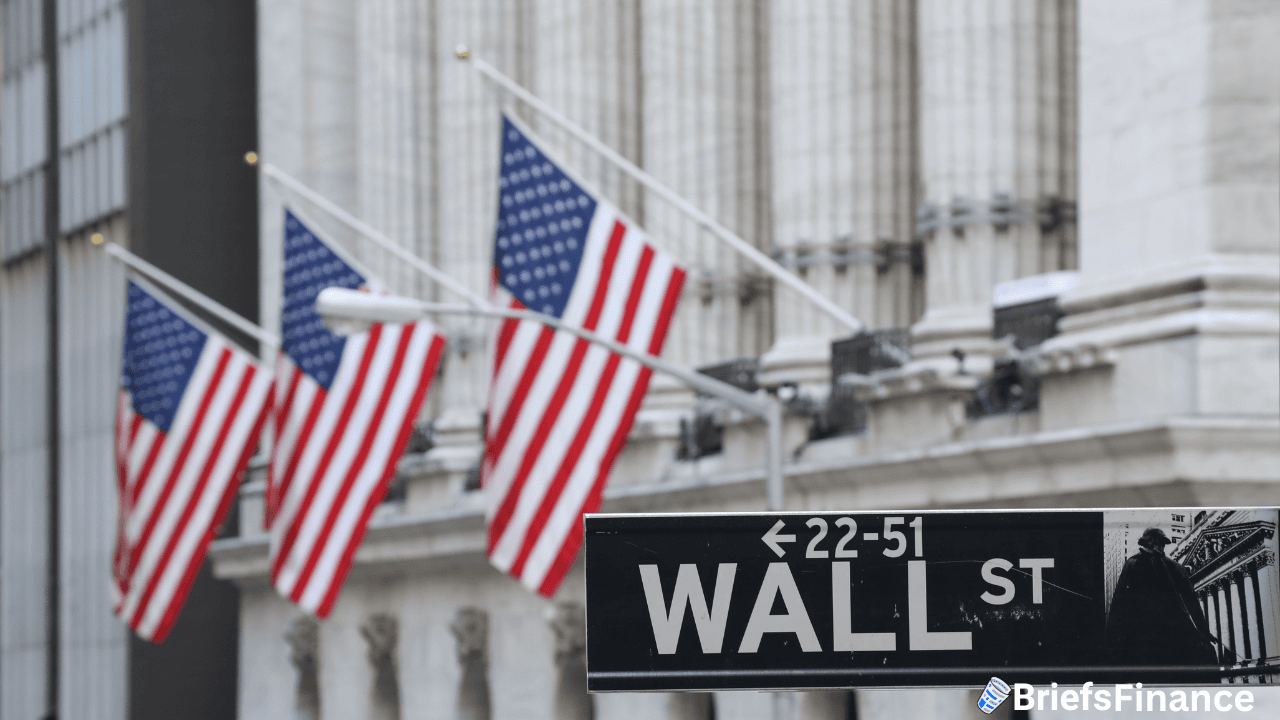
There’s also been buzz on Wall Street that some companies like SpaceX and OpenAI could IPO in the near future.
These companies are already worth hundreds of billions of dollars, so going public could increase their value even more.
However, not all IPOs succeed.
Some companies IPO at high prices, then crash.
Others steadily grow over time.
All investing comes with risk, but especially IPOs. These are essentially new companies to hit the market - no one knows if they will keep growing or if hype will die off.
As an investor, you always need to do your due diligence and research companies thoroughly before investing.
Should You Invest in IPOs?
IPOs can be exciting - hot new companies entering the market generate a lot of buzz and take over the headlines for days or even weeks.
But they're also risky.
Newly public companies don't have a long track record, so you can't look back at years of earnings reports.
You don't know how they'll perform under public scrutiny. The market does not always move in logical ways, and that sometimes puts stocks under pressure.
The key? Do your research by understanding the company's business model and financials. Look at their finances.
The Bottom Line On Initial Public Offerings (IPOs)
An IPO is when a company goes public for the first time.
It's a big deal for the company, early investors, and everyday people who want to buy shares.
Companies go public to raise money, gain credibility, and reward early backers. Once public, companies must report their financials
But remember: Not every IPO is a winner.
Some companies thrive, others struggle - that’s the nature of stock market investing. As an investor, it's your job to separate the hype from the reality.
Want to discover unique potential investment opportunities every week? Subscribe to Market Briefs Pro.
Our weekly report gives you an edge on Wall Street with the data and research you need to make market investment decisions.
It avoids the hype and focuses on the facts only - learn more and subscribe by clicking here.