What Is Dividend Investing?
Dividend investing is a strategy where you buy stocks specifically for the regular income payments they provide.
When you own shares of a dividend-paying company, you receive cash payments (usually every three months) just for being a shareholder. You don't need to sell anything. The money hits your brokerage account automatically.
Think of it like owning rental property, but without tenants, maintenance calls, or property taxes. The company does all the work. You collect the checks.
How Dividends Work
Companies share profits with shareholders through dividend payments.
Here's the timeline: The company announces a dividend. They set a record date (who gets paid). They set an ex-dividend date (last day to buy to qualify). They pay the dividend a few weeks later.
If you own 100 shares of a stock paying $0.50 per share quarterly, you receive $50 every three months. That's $200 per year in passive income from that single investment.
Why Companies Pay Dividends
Mature, profitable companies pay dividends because they generate more cash than they need for growth.
Companies like Coca-Cola, Johnson & Johnson, and Procter & Gamble produce massive cash flows. They've already built their empires. Rather than hoard cash or make questionable acquisitions, they return profits to shareholders.
Dividend payments signal financial health. Companies don't commit to quarterly payments unless they're confident in sustained profitability.
Understanding Dividend Yield and Payout Ratio
Two numbers tell you everything about a dividend stock's quality.
Dividend Yield
Dividend yield measures annual dividend income as a percentage of the stock price.
Formula: (Annual Dividend Per Share ÷ Current Stock Price) × 100
If a stock trades at $100 and pays $4 annually in dividends, the yield is 4%.
Yield ranges and what they mean:
- Under 2%: Conservative, growth-focused companies
- 2-4%: Sweet spot for balanced dividend investing
- 4-6%: Higher income, moderate risk
- 6-8%: Investigate carefully, potential risk
- Above 8%: Usually a red flag (dividend may be cut)
Payout Ratio
Payout ratio shows what percentage of earnings the company pays as dividends.
Formula: (Annual Dividends Per Share ÷ Earnings Per Share) × 100
If a company earns $5 per share and pays $3 in dividends, the payout ratio is 60%.
What healthy payout ratios look like:
- Under 50%: Plenty of room to maintain and grow dividends
- 50-70%: Reasonable and sustainable
- 70-90%: Less room for growth, monitor carefully
- Above 90%: Risky, dividend cuts possible
A company paying out 95% of earnings has no cushion when profits decline. A company paying 40% can easily maintain dividends through rough patches.
Types of Dividend Stocks
Not all dividend stocks are created equal. Understanding the different types helps you build a balanced portfolio.
Dividend Aristocrats
These are S&P 500 companies that have increased dividends for 25+ consecutive years.
The list includes household names: Walmart, McDonald's, 3M, Coca-Cola, Johnson & Johnson, and Procter & Gamble.
Dividend aristocrats prove consistent profitability through recessions, market crashes, and economic cycles. They're the gold standard of dividend investing.
Dividend Kings
Even more elite than aristocrats. These companies have raised dividends for 50+ consecutive years.
Only about 50 companies worldwide qualify. Examples include Coca-Cola (60+ years), Procter & Gamble (65+ years), and Lowe's (60+ years).
High-Yield Dividend Stocks
These stocks pay yields above 5%, sometimes reaching 8-10%.
High yields come with trade-offs. These companies often grow slowly or face industry headwinds. Examples include tobacco companies, utilities, and REITs.
Higher yields mean more immediate income but potentially less dividend growth over time.
Dividend Growth Stocks
These companies prioritize growing dividends rather than paying the highest current yield.
Dividend growth stocks might yield only 2-3% today, but they increase payments by 10-15% annually. Over time, your yield on cost (dividends relative to your purchase price) becomes substantial.
Microsoft, Visa, and UnitedHealth Group exemplify this category.
How to Build a Dividend Portfolio
Creating a dividend portfolio requires strategy, not just buying the highest yields.
Step 1: Determine Your Income Goal
Start with your target annual passive income.
Need $500 monthly ($6,000 annually)? At a 4% average yield, you need $150,000 invested. At 5% yield, you need $120,000 invested.
Income goals at different portfolio sizes:
| Portfolio Value | 3% Yield | 4% Yield | 5% Yield |
|---|---|---|---|
| $25,000 | $750/year | $1,000/year | $1,250/year |
| $50,000 | $1,500/year | $2,000/year | $2,500/year |
| $100,000 | $3,000/year | $4,000/year | $5,000/year |
| $250,000 | $7,500/year | $10,000/year | $12,500/year |
Step 2: Diversify Across Sectors
Don't put all your dividend eggs in one industry basket.
Aim for 15-25 individual stocks across at least 8-10 different sectors. This protects you when specific industries struggle.
Step 3: Screen for Quality Stocks
Use these criteria to filter dividend candidates:
Minimum requirements:
- Dividend yield between 2.5-6%
- Payout ratio under 70%
- At least 10 years of dividend payments
- Positive earnings growth over 5 years
- Market cap above $5 billion
- Debt-to-equity ratio under 1.5
Step 4: Analyze Dividend Safety
Before buying, verify the dividend is sustainable.
Check the company's free cash flow (cash from operations minus capital expenditures). Dividends should consume less than 80% of free cash flow.
Review the dividend history. Has the company maintained or grown dividends through past recessions?
Read recent earnings calls. Are executives confident about maintaining the dividend?
Dividend Reinvestment: The Secret to Wealth Building
Reinvesting dividends dramatically accelerates wealth accumulation.
How Dividend Reinvestment Works
Instead of taking dividend cash, you automatically buy more shares with the payment.
Most brokerages offer free dividend reinvestment plans (DRIPs). When dividends hit your account, they immediately purchase additional shares or fractional shares.
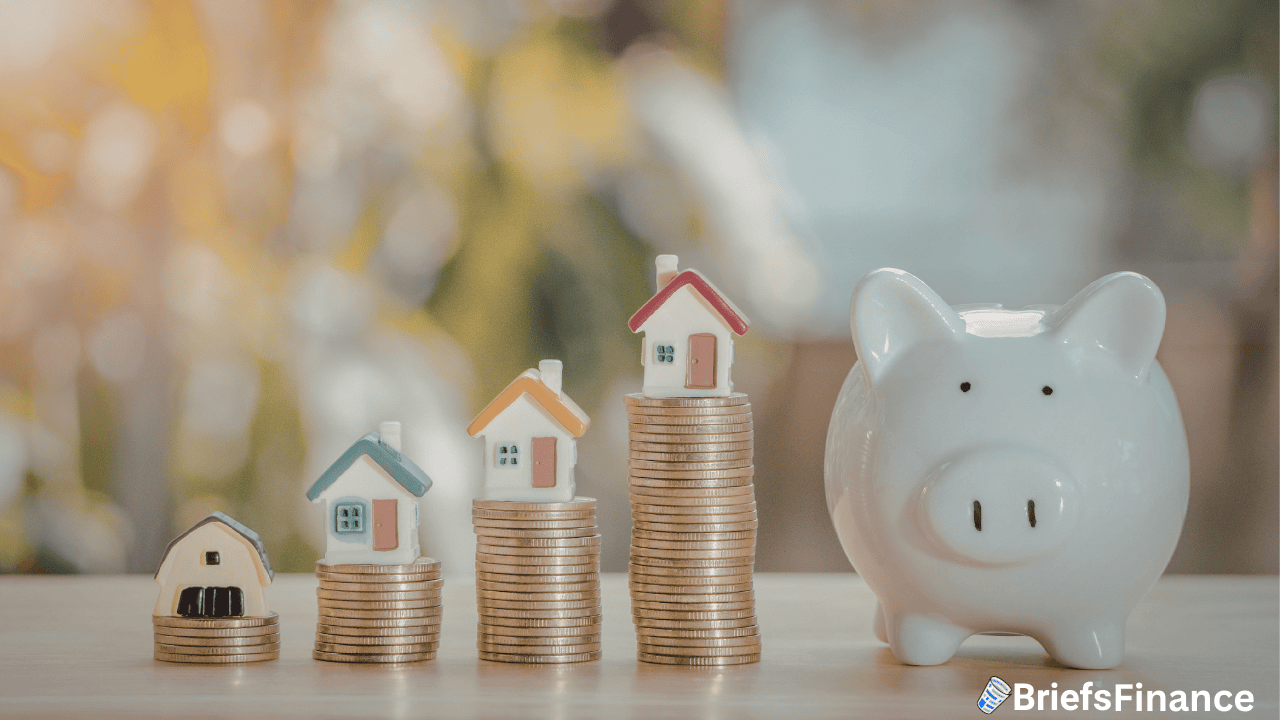
More shares mean larger future dividend payments. Larger payments buy even more shares. This compounds over decades.
The Power of Compounding
A $10,000 investment in a 4% yielding stock with 7% annual dividend growth shows dramatic differences over 30 years:
Without reinvestment: Your original investment grows, but you collect cash dividends. Final value: approximately $76,000.
With reinvestment: Dividends automatically buy more shares. Final value: approximately $150,000.
Reinvestment nearly doubles your final wealth in this scenario.
When to Stop Reinvesting
Switch from reinvestment to cash payments when you actually need the income.
If you're building wealth and don't need dividend income yet, reinvest everything. Let compounding work its magic.
Once you retire or reach your income goal, start taking dividends as cash for living expenses.
Common Dividend Investing Mistakes
Avoid these pitfalls that trip up new dividend investors.
Chasing the Highest Yields
Ultra-high yields (8%+) often signal problems, not opportunities.
A 10% yield might mean the stock price crashed because the dividend is about to get cut. You'll lose more in share price decline than you gain in dividend income.
Focus on sustainable yields (3-6%) with strong fundamentals rather than reaching for the highest number.
Ignoring Dividend Growth
A stock yielding 5% today with no growth gets overtaken by inflation.
A stock yielding 3% today but growing dividends 10% annually will yield 7.8% on your original investment in 10 years.
Dividend growth protects your purchasing power and increases income without additional investment.
Lack of Diversification
Owning only 3-5 dividend stocks concentrates risk unnecessarily.
If one company cuts its dividend, you lose 20-33% of your income stream. With 20 stocks, one cut only affects 5% of your income.
Diversify across companies, sectors, and dividend types.
Forgetting About Taxes
Dividend income is taxable, and tax treatment varies.
Qualified dividends get favorable tax treatment (0-20% federal rate). Non-qualified dividends are taxed as ordinary income (10-37%).
Most U.S. company dividends are qualified if you hold shares for 60+ days. REIT dividends are typically non-qualified.
Consider holding high-dividend stocks in tax-advantaged accounts (IRA, 401k) to defer or eliminate dividend taxes.
Dividend ETFs vs. Individual Stocks
You don't have to pick individual stocks. Dividend ETFs offer diversification in one purchase.
Popular Dividend ETFs
Vanguard Dividend Appreciation ETF (VIG)
- Dividend yield: ~1.8%
- Focuses on dividend growth
- Low expense ratio: 0.06%
- 300+ holdings
Schwab U.S. Dividend Equity ETF (SCHD)
- Dividend yield: ~3.5%
- Quality-focused dividend screen
- Low expense ratio: 0.06%
- 100 holdings
Vanguard High Dividend Yield ETF (VYM)
- Dividend yield: ~3%
- Broad market dividend exposure
- Low expense ratio: 0.06%
- 450+ holdings
ETFs vs. Individual Stocks
| Factor | Individual Stocks | Dividend ETFs |
|---|---|---|
| Diversification | Requires 15-20+ positions | Instant diversification |
| Research Time | Significant analysis needed | Minimal research |
| Customization | Full control over holdings | No control over specific stocks |
| Dividend Yield | Can target higher yields | Usually moderate yields |
For beginners or hands-off investors, start with dividend ETFs like SCHD or VIG. As you learn and want more control, add individual stock positions.
The Bottom Line
Dividend investing creates passive income streams that grow over time without requiring you to sell assets.
Start with quality dividend ETFs or established dividend aristocrats. Reinvest dividends while building wealth. Diversify across sectors and dividend types. Monitor holdings quarterly but avoid overtrading.
The path to meaningful dividend income takes time. A $100,000 portfolio at 4% yield generates $4,000 annually. Growing that to $500,000 generates $20,000 annually. Reaching $1 million creates $40,000 in annual passive income.
Begin with what you can invest today. Stay consistent. Let compounding do the heavy lifting. Your future self will thank you for starting now rather than waiting for the "perfect" time.