Most people have one income stream - their job.
That's a problem. Your paycheck is the most heavily taxed type of income there is, and if it ever stops, your whole financial picture stops with it.
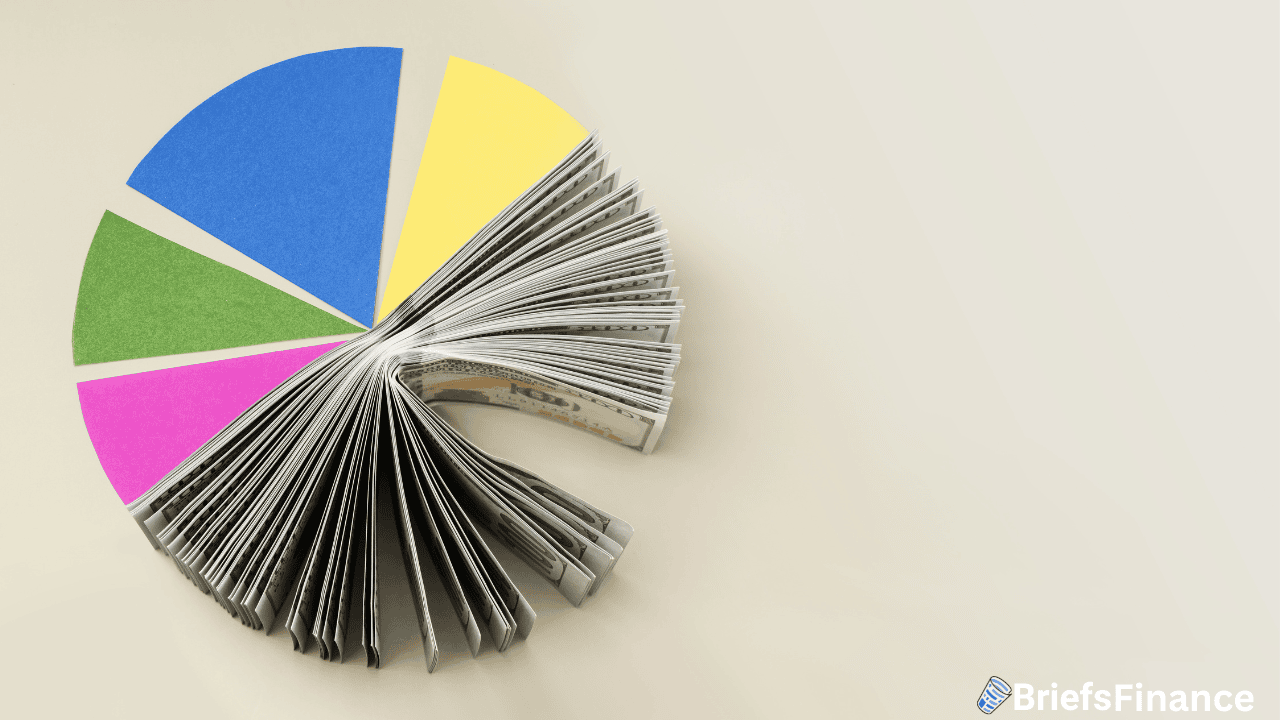
Multiple income streams are how investors and business owners build wealth that doesn't disappear if one thing goes wrong. The good news: you don't need to build all of them at once - you stack them over time.
This is exactly the kind of topic we dig into in Market Briefs, our free daily newsletter for investors. If you want clear takes on how to grow what you've got, you can sign up at briefs.co.
The 3 Types of Income Streams (and Why They Matter)
Before you build new income streams, it helps to understand how the U.S. tax code treats different types of money.
There are three general buckets:
- Earned income - the money you make from your job. Highest tax rates. Lowest deductions.
- Portfolio income - money from stock market investments. Often taxed at lower rates than earned income.
- Passive income - money from things like rental property and certain businesses. Comes with the most tax breaks.
Most people earn 100% of their income in the first bucket. That's the most expensive bucket from a tax standpoint.
Building multiple income streams isn't just about more money. It's about earning that money in lower-taxed ways - so you actually keep more of what you make.
Income Stream #1: Dividends from Stocks
This is usually the easiest place to start.
A dividend is a cash payment that some companies give you just for owning their stock. You don't have to sell anything - you just hold the shares, and the company sends cash to your brokerage account every three months.
Not all stocks pay dividends. The ones that do tend to be larger, established companies with steady profits - think consumer brands, big banks, healthcare giants, and utilities.
Some companies have raised their dividends every year for over 25 years - those are called Dividend Aristocrats. They're the gold standard for steady income. There's an even more elite group called Dividend Kings that have raised dividends for 50+ straight years.
You can also buy dividend ETFs (exchange-traded funds), which hold dozens of dividend-paying stocks at once. That gives you instant diversification without picking individual companies.
This stream is mostly passive once it's set up - you buy, you hold, the money shows up.
Income Stream #2: Real Estate Investments
Real estate is one of the most popular ways to build cash flow. It also comes with some of the best tax breaks in the entire tax code.
There are two main ways to do it.
Active real estate - You buy a physical property and rent it out. The rent should cover all your expenses and put money in your pocket each month. Some investors use the BRRRR strategy to scale a portfolio without huge down payments.
You also get tax breaks like depreciation - a paper write-off that lets you reduce your taxable income even if your property is going up in value. And you get to write off expenses like trips to check on properties, meals with brokers, and repairs.
Passive real estate - You invest in real estate without owning any actual property. This includes REITs (real estate investment trusts), real estate funds, and crowdfunded deals.
REITs are companies that own apartment buildings, warehouses, data centers, and shopping centers. By law, they have to pay out at least 90% of their taxable income as dividends - which makes them strong income generators.
Active real estate gives you bigger tax breaks but more headaches. Passive real estate gives you exposure with way less work.
Income Stream #3: A Side Business or Side Hustle
Every business has the same two parts - products and customers. You need something to sell, and someone to pay you for it.
The internet has made this much more accessible. Not easier - but more accessible.
Anyone can build a product or service online and find customers through social media. The same platforms people scroll through every day are also marketplaces.
A side business can grow into something much bigger than dividends or rental income ever will. There's no cap on what a business can earn - stocks pay you a small percentage, but a business pays you whatever you can build it into. This is one of the money moves that creates millionaires.
The catch: a business takes work, especially in the early years. You're trading time and effort for the chance at higher returns.
Most people who succeed at this start small - maybe a service business, maybe digital products, maybe content that earns ad revenue. The key is starting, not waiting for a perfect plan.
Income Stream #4: Bonds and Cash Investments
If dividends feel like too much risk, bonds are the steadier option.
A bond is an IOU - you lend money to a government or company. They pay you interest twice a year and give your principal back when the bond matures.
Treasury bonds are the safest because they're backed by the U.S. government. The longer you're willing to lend, the higher the interest rate. Some investors build a bond ladder for steady income with built-in flexibility.
You can also stash cash in a high-yield savings account or a CD (certificate of deposit) and earn interest. It's not flashy - but it's predictable.
Bonds and CDs aren't going to make you rich. They're for steady, low-stress cash flow.
Income Stream #5: Investing in Yourself
This one isn't on most income stream lists. It should be.
Spending money on your own skills, health, and education has the highest potential return of anything you can do. If you can increase what you can charge, what you can build, or what you can teach - you've raised your earning power for the rest of your life.
A new certification, a skill that lets you charge double, coaching that helps you land a bigger role - these investments compound over decades.
The reason it's a real income stream: every dollar you can earn from a higher salary or a more valuable side business is fueled by the skills you build first.
How to Stack Multiple Income Streams
You don't build all five at once. That's how people get overwhelmed and quit.
A reasonable order looks something like this:
- Start with skills. Increase your earning power at your day job or in your business.
- Add dividends. Open a brokerage account, buy a dividend ETF, and set up automatic monthly contributions.
- Build a side hustle. Pick something you can offer online or in your area, and get the first paying customer.
- Layer in real estate. Either through REITs (easier) or a rental property (more work, more upside).
- Add bonds or cash investments. Once you have enough capital to want a steadier slice.
The order matters less than the action. The biggest mistake isn't picking the wrong stream - it's never starting. Even saving your first $2,000 is a step worth taking before any of this.
Honest Truths About Building Multiple Income Streams
Multiple income streams sound exciting. They take time to build.
You're not going to set up five income streams in 90 days. Most people who actually have them spent years building each one - starting small, reinvesting, and stacking. This is how generational wealth gets built.
You'll also lose money along the way - every investor does. The goal isn't to never lose, it's to make way more than you lose over time.
And remember - more streams doesn't always mean more freedom. Five streams that all need your time isn't independence - it's five jobs, and the goal is to slowly shift your income from active (you working) to passive (your money working).
If you want to keep learning how to build that kind of financial life, Market Briefs is our free daily newsletter that breaks down what's happening in markets and how investors can take action. Thousands of readers start their day with us, and you can join free at briefs.co.