Gold has been around longer than any stock market, any currency, and any central bank.
Unlike a stock, it doesn't pay a dividend, and it doesn't produce earnings.
And yet, some of the biggest institutions in the world - banks, central banks, private equity firms - keep buying more of it.
Why? Gold does something most investments can't - it holds its value when everything else is falling apart.
The dollar has lost over 95% of its purchasing power since 1913.
- An ounce of gold buys roughly the same amount of goods today as it did 100 years ago.
If you're wondering how to invest in gold, the good news is you don't need a lot of money or a finance degree to start.
There are really just three ways to do it - and each one fits a different type of investor.
Let’s break down why investors buy gold, the 3 ways to invest in it, and some things investors should avoid when getting started.
Gold is just one potential opportunity for investors - but there are others.
Which ones? Join our CEO Jaspreet Singh this April for a free live investor workshop to discover how to spot market shifts and potential opportunities.
Why Investors Buy Gold
Before you buy anything, you should understand what gold actually is - and what it isn't.
Gold is a commodity - a raw material that can be bought and sold.
It is not a security - securities are regulated by the SEC, subject to disclosure requirements, and valued based on company performance.
So when you buy a piece of Amazon, you’re buying a security or parietal ownership in Amazon.
Gold doesn't have any of that.
It literally just exists.
However, gold’s true value comes from scarcity, utility, and the fact that humans have accepted it as valuable for thousands of years.
So why do investors include it in their portfolios? There are three main reasons:
- Store of value. Gold maintains purchasing power over long periods of time. While the dollar has lost almost all of its value over the last century, gold has kept pace. It's one of the few assets that has maintained value across every economic system collapse in human history.
- Portfolio diversification. Gold typically has a low or negative correlation with stocks. That means when stocks fall, gold often rises or holds steady. This reduces overall portfolio volatility - which is a fancy way of saying your portfolio won't swing as wildly.
- Crisis insurance. Wars, recessions, political instability - gold typically performs well during all of them. If the economy or markets were to collapse, gold still has intrinsic value. It's tradeable with anyone, anywhere across the world.
For investors, it’s like an insurance policy. When markets our the economy go sideways, gold usually foes up in value, allowing investors to make money while other assets lose money.
Keep in mind: No investment is guaranteed to go up. Gold typically has kept its value over time, but there’s always a chance, in the future that won’t be the case.
Risks do exist when investing in anything, including gold.
And one other important thing to know: Gold does not produce cash flow.
It doesn't pay you dividends, or generate income.
A rental property produces value because it gives someone a home - gold just sits in a vault or in your basement.
That's why most investors treat gold as a complement to their portfolio - not the main event.
The 3 Ways to Invest in Gold
There are three basic ways beginners can invest in gold. Each comes with its own set of pros and cons.
Option 1: Buy Physical Gold (Coins and Bars)
The most straightforward way to invest in gold is to buy the real thing.
Here’s how it works:
You purchase gold bars or coins from a dealer.
The price you pay is based on the spot price - think of this like the price you see when you go to buy a stock - plus any dealer fees.
Pros:
- Direct ownership. You hold the asset in your hand.
- No counterparty risk. There's no exchange or bank holding your gold for you. It's just you and your gold.
- Privacy. You can't hack a bar of gold.
Cons:
- Storage. You need somewhere to keep it - a bank vault, a safe at home, or through a storage company. All of these cost money.
- Security. You need to protect it. And if you're storing it yourself, you'll probably need to insure it too.
- Less liquid. You can't walk into Walmart and pay with a gold bar. You need to sell it first to get cash, and that can take time.
Physical gold works best for investors who want that tangible "doomsday protection" - real assets they can hold if things go really wrong in the economy.
Option 2: Gold ETFs
Exchange-traded funds (ETFs) let you invest in gold through your regular brokerage account, just like buying a stock.
The key distinction: you don't actually own gold. You own shares of a fund that tracks the price of gold. The ETF does the heavy lifting of buying and storing the metal.
Pros:
- Highly liquid. Easy to buy and sell since ETF shares trade like stocks.
- No storage headaches. It's a paper asset. Nothing to protect or insure.
- Can hold in retirement accounts. Traditional 401(k)s and IRAs don't allow you to hold physical gold. You'd need a special gold IRA for that. But you can hold shares of a gold ETF in any retirement account.
Cons:
- Annual expense ratios. ETFs charge fees - called an expense ratio - for managing the fund. These are usually small, but they eat into your returns over time.
- No physical possession. You don't own actual gold. You hold shares in a fund that tracks its price.
- More volatile day-to-day. Because ETF shares trade throughout the day, the price can move more than the underlying metal.
Gold ETFs are the most popular way for beginners to invest in gold, especially if you're starting with a small amount of money. You can buy as little as one share.
Option 3: Gold Mining Stocks and Mining ETFs
Instead of buying the metal itself, you buy shares in companies that mine it.
This gives you indirect exposure to gold. When the price of gold rises, mining companies often rise even faster.
That's because of something called operational leverage - the cost of mining doesn't go up just because gold prices do, but the revenue does.
Some mining companies also pay dividends - something gold itself will never do.
Pros:
- Leverage to gold prices. Mining stocks often rise faster than gold itself when prices are climbing.
- Potential for dividends. Some miners pay shareholders a portion of their profits.
- Can invest through ETFs. If picking individual mining companies feels risky, mining ETFs give you exposure to the whole industry in one fund.
Cons:
- Company-specific risks. Just because gold is going up doesn't mean every mining company is going up. A miner can still lose money from bad management, rising energy costs, or operational problems.
- You don't own the asset. You're buying a security tied to gold, not gold itself.
- More volatile. Mining stocks have a lot of moving parts - energy costs, production targets, labor - so prices can swing more dramatically than gold.
Gold mining stocks are best for investors who want amplified exposure to gold's price movements and are comfortable with more risk.
How to Invest in Gold and Silver Together
Silver is often called "the poor man's gold," but that's misleading.
Silver is used in some many important things, like:
- Solar panels.
- Electronics.
- Medical applications.
And more…
It's both a precious metal and an industrial metal, which gives it unique supply and demand dynamics.
The same three options apply to silver: physical, ETFs, and mining stocks. Many investors hold both gold and silver in their portfolio for broader exposure to the precious metals market.
How Much Gold Should Be in Your Portfolio?
This depends on your risk tolerance, your goals, and how far you are from retirement.
Here are three general frameworks:
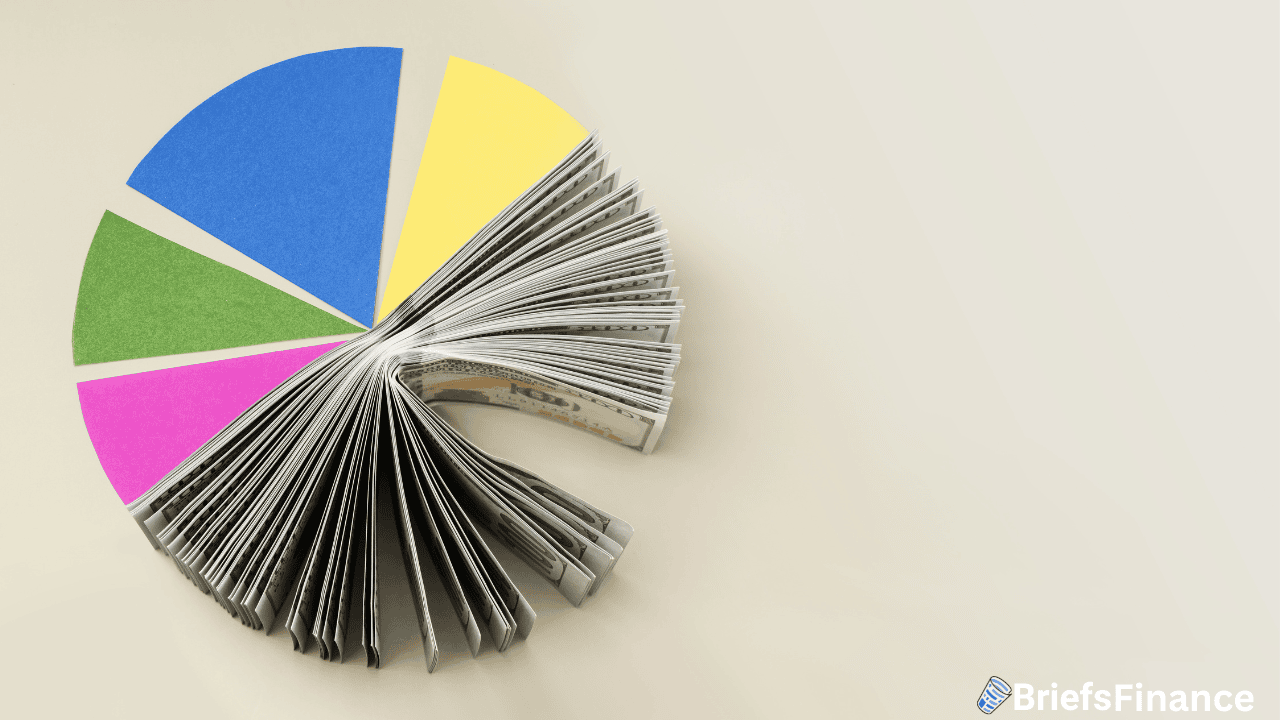
| Risk Level | Total Precious Metals | Gold Allocation | Best For |
| Conservative | 5-7% | Mostly gold | Near retirement, risk-averse |
| Moderate | 7-10% | Gold + some silver | 10-20 years to retirement |
| Aggressive | 8-12% | Gold, silver, + mining stocks | Young investors, growth-focused |
For a conservative investor with $100,000, that might look like $5,000 in a gold ETF and $1,000 in a silver ETF.
For a more aggressive investor, it could mean $7,000 in a gold ETF, $2,500 in silver, and $1,500 in mining stocks.
These are starting guidelines, not rigid rules. Do what makes the most sense for you and your portfolio.
How to Avoid the Biggest Mistake When Investing In Gold
The number one mistake beginners make with gold? The Fear of Missing Out or FOMO.
Gold typically rises fast when there is an economic downturn or when the market is falling.
Many investors get emotional watching their portfolio drop and gold rise.
So, they abandon their plan and dump a bunch of money in at the top.
Then, the economy recovers, gold slows down, and investors sell at a loss.
One solution: Dollar-cost averaging (DCA).
Instead of investing your entire gold allocation at once, spread your purchases over 6 to 12 months.
Buy the same dollar amount at regular intervals - weekly, monthly, whatever works for you - regardless of what the price is doing.
This averages out your cost and removes emotion from the equation.
The biggest takeaway here? Stick to your plan. Sure, you can adjust if things change, but bake that into your overall strategy.
Don’t make rash decisions based on what is happening today - build a plan that grows your wealth over time.
How To Invest In Gold: The Bottom Line
Gold is one of the oldest stores of value in human history.
It's survived every economic collapse, market crash, pandemic, and more.
Why? It takes time, money, and energy to produce - and there’s only so much of it, unlike our paper dollars that can be printed out of thin air.
If you're just getting started, a gold ETF is probably the simplest path.
If you want something tangible, buy physical gold. And if you want more exposure with more risk, look at mining stocks.
Whatever route you choose, the most important thing is to create a strategy and stick to it.
Gold going up is never a guarantee - but knowing how to invest in it is the first step to making it a part of your portfolio.
Before you go: Our CEO Jaspreet Singh is hosting a free live investor workshop in April that shows you how to spot market shifts and potential investment opportunities.